When America Watched the Same Screen: The Lost World of Shared Reality
The 6:30 PM National Ritual
Every weeknight across America, something remarkable happened. At exactly 6:30 PM Eastern (5:30 Central, 4:30 Mountain, 3:30 Pacific), roughly 50 million Americans stopped what they were doing and turned to the same three television channels. They weren't watching for entertainment—they were gathering around their screens to learn what had happened in the world that day.
This wasn't appointment television in the modern sense. There was no binge-watching, no on-demand viewing, no DVR to catch up later. If you missed the evening news, you missed it completely. The next opportunity to get a comprehensive update on national and international events wouldn't come until tomorrow at the same time.
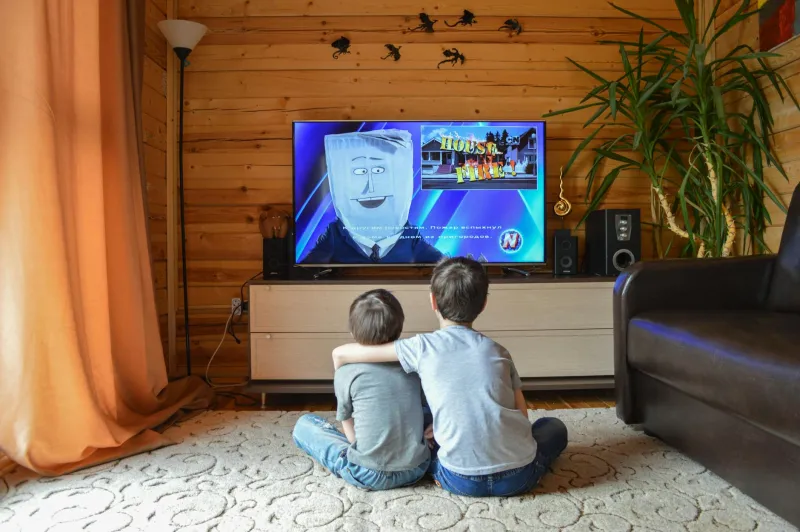
Families organized their entire evening routines around this thirty-minute window. Dinner was served early or late to avoid conflicts. Children learned that when Walter Cronkite was speaking, the living room became a sacred space. Phone calls went unanswered. Conversations were postponed.
Three Men, One Nation
For nearly three decades, American understanding of current events was filtered through just three voices: Walter Cronkite at CBS, Tom Brokaw at NBC, and Peter Jennings at ABC. These weren't just news readers—they were the closest thing America had to national elders, trusted figures who helped the entire country process complex events.
When Cronkite declared the Vietnam War unwinnable, President Johnson reportedly said, "If I've lost Cronkite, I've lost Middle America." When Jennings stayed on the air for 60 straight hours during the Iran hostage crisis, he became the voice that guided the nation through uncertainty. When Brokaw reported on the fall of the Berlin Wall, his words reached into living rooms across every state simultaneously.
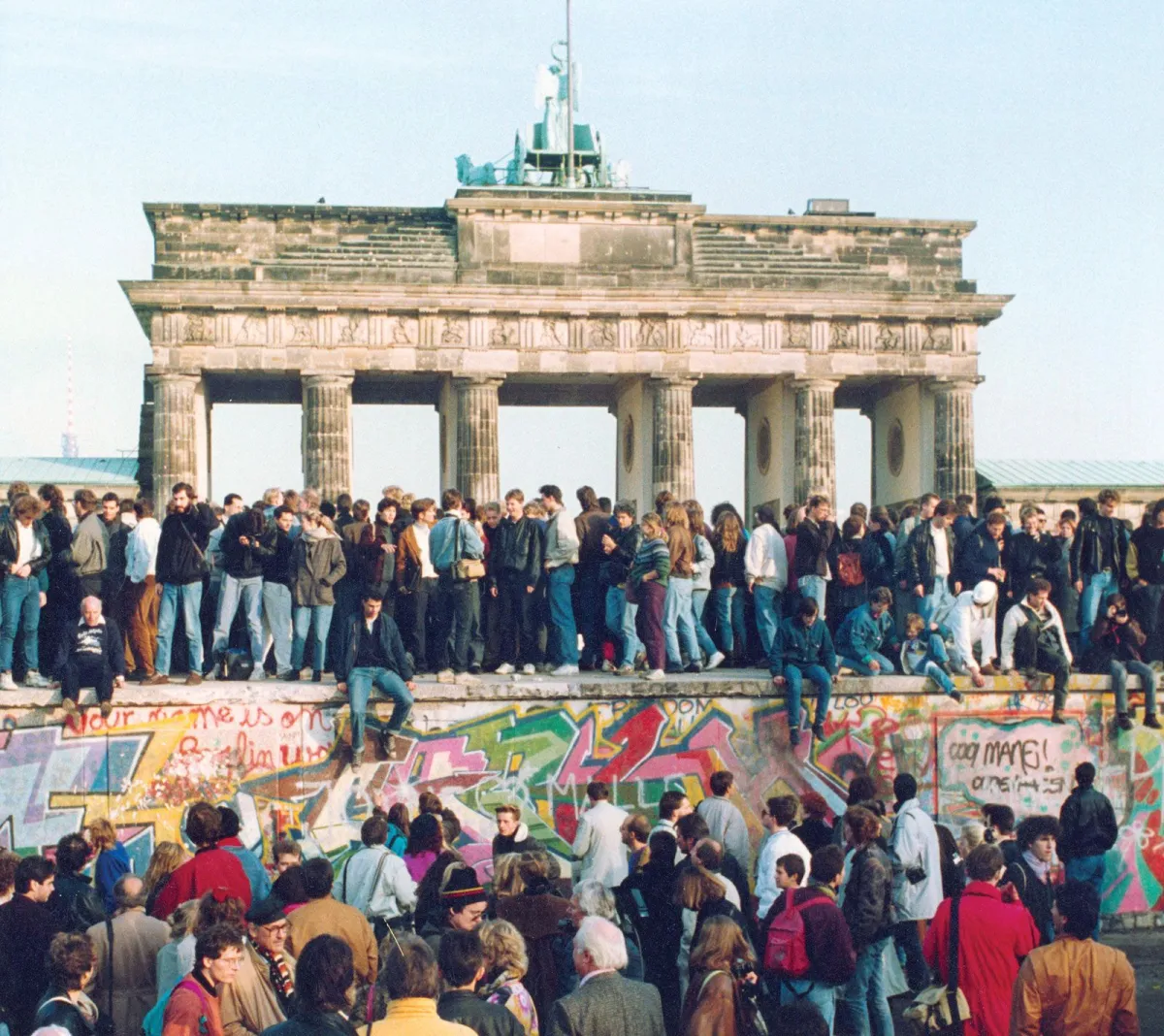 Photo: Berlin Wall, via cdn.britannica.com
 Photo: Vietnam War, via assets.editorial.aetnd.com
These anchors didn't just report news—they created a shared national narrative. Their editorial decisions about which stories deserved the most time shaped what Americans considered important. Their tone influenced how the country felt about major events. Their credibility was so absolute that most Americans never questioned whether they were getting the complete story.
The Water Cooler Democracy
Here's what made this era unique: every American worker arrived at their office the next morning having consumed essentially identical information. The office water cooler became a forum for national debate because everyone was debating the same facts, presented in the same context, with the same emphasis.
Conversations began with shared assumptions. "Did you see what Cronkite said about the Middle East situation?" wasn't just small talk—it was the foundation for meaningful civic discourse. Americans could disagree about interpretations and solutions while operating from the same basic understanding of what had actually happened.
This shared information baseline created something that seems almost impossible today: productive political discussions between people with different viewpoints. When everyone started from the same set of facts, arguments focused on philosophy and solutions rather than competing versions of reality.
The Gatekeeper's Power
The concentration of information power in the hands of three network news divisions meant that editorial decisions had enormous consequences. When producers decided that a story deserved two minutes of airtime, it became a national priority. When they relegated an event to a brief mention, it remained on the margins of public consciousness.
This gatekeeping power was both a blessing and a burden. It prevented the spread of misinformation and conspiracy theories that thrive in today's fragmented media landscape. But it also meant that important stories could be ignored if they didn't fit the networks' editorial vision or if they challenged powerful interests.
Minority voices struggled to break through this filter. Stories about environmental damage, workplace safety, or civil rights violations sometimes took years to gain national attention because they had to convince network producers that these issues deserved precious airtime. Once they did break through, however, the entire country learned about them simultaneously.
When Breaking News Actually Broke Through
Before 24-hour cable news and social media, "breaking news" meant something extraordinary had happened. Regular programming was interrupted only for events of genuine national significance: presidential assassinations, natural disasters, declaration of war, or space missions.
When these interruptions occurred, they carried enormous weight. Americans understood that if Walter Cronkite was suddenly on their screen at 2 PM on a Tuesday, something world-changing had happened. The entire country stopped and listened together, processing the same information at the same moment.
Compare this to today's constant stream of "breaking news" alerts that interrupt our daily routines dozens of times per week. The phrase has lost all meaning because everything is breaking news and nothing is breaking news. We've become numb to interruptions that once commanded the complete attention of an entire nation.
The Fragmentation Revolution
The transformation began slowly in the 1980s with the rise of cable television, then accelerated rapidly with the internet and social media. CNN's 24-hour news cycle meant Americans no longer had to wait until 6:30 PM to learn about major events. Fox News and MSNBC offered ideologically distinct versions of the same events. The internet allowed anyone to become a publisher, flooding the information ecosystem with competing narratives.
Today's Americans consume news from dozens of sources, each with its own editorial perspective, target audience, and version of events. We can choose information sources that confirm our existing beliefs and avoid those that challenge our worldview. We can stay informed about events that interest us while remaining completely ignorant about issues that don't capture our attention.
This democratization of information has obvious benefits. We're no longer dependent on three corporations to decide what we should know about the world. Marginalized voices can reach large audiences without corporate gatekeepers. Citizens can access primary sources and make their own judgments about complex issues.
What We Lost in the Translation
But something irreplaceable was sacrificed in this transition: the shared foundation that made democratic discourse possible. When Americans consume completely different information about the same events, we stop living in the same reality. Political discussions become impossible because we're arguing about fundamentally different versions of what actually happened.
The evening news era wasn't perfect. Those three anchors were all white men from similar backgrounds, and their editorial decisions reflected their demographic limitations. Important stories were ignored or minimized. Complex issues were oversimplified to fit thirty-minute formats.
Yet for all its flaws, this system created something precious: a common starting point for national conversations. Americans could disagree passionately about solutions while agreeing on basic facts. We could have heated political debates because we were debating the same reality.
Today, we have access to more information than any generation in human history, but we've lost the ability to process major events as a unified nation. We've gained individual choice and lost collective coherence. We've democratized information and fragmented truth itself.
The era when America watched the same screen every evening seems quaint now, but it represents the last time we shared not just a country, but a common understanding of what was happening in it.