One Building, Infinite Possibilities: How Shopping Centers Became America's Discovery Engine
The Saturday Expedition
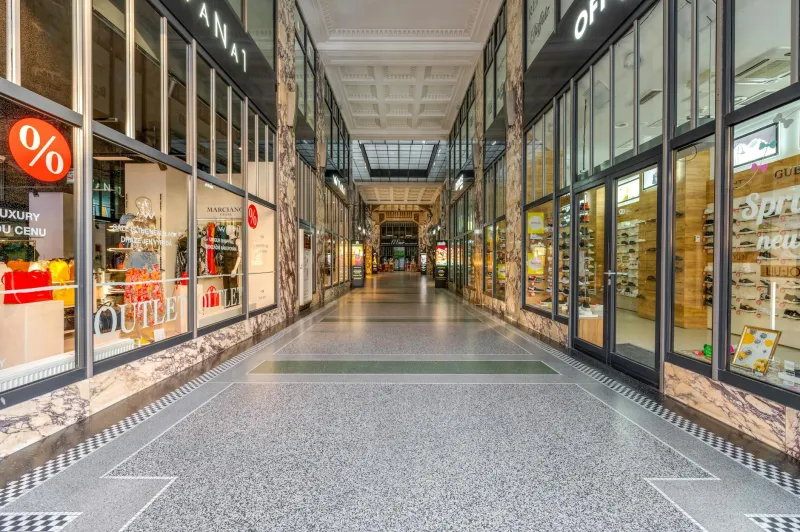
Every weekend, millions of American families piled into station wagons and headed to their local shopping center with no specific mission beyond "let's see what's new." This wasn't shopping as we know it today—targeted, efficient, and algorithm-driven. This was discovery in its purest form, where a single afternoon could introduce you to a new band, a fashion trend, and the latest gadget you never knew you needed.
The mall served as America's unofficial cultural headquarters. Teenagers gathered around the record store listening booths, sampling albums that radio stations hadn't picked up yet. Parents browsed department stores where seasonal displays revealed what would be "in" for the coming months. Kids pressed their faces against toy store windows, discovering entire product lines that wouldn't appear in TV commercials for weeks.
The Human Algorithm
What we accomplished with a two-hour mall visit now requires dozens of apps, websites, and social media feeds. The record store clerk who knew your taste in music has been replaced by Spotify's recommendation engine. The department store buyer who curated seasonal displays has been replaced by Instagram influencers and targeted ads. The toy store owner who knew which products would captivate kids has been replaced by Amazon's "customers who bought this also bought" suggestions.
But the mall's discovery system had something digital platforms struggle to replicate: serendipity. You couldn't skip past the bookstore to get to the electronics store without noticing the bestseller display. You couldn't avoid the perfume counter without catching a scent that might become your signature fragrance. The physical layout forced exposure to products and ideas you'd never actively search for online.
The Social Laboratory
Malls weren't just retail spaces—they were social experiments happening in real time. Fashion trends spread through food court observations. Music discoveries happened when someone's Walkman was loud enough to share. Product recommendations came from actual conversations with strangers in checkout lines, not from anonymous online reviews.
The Orange Julius stand became an impromptu focus group where teenagers debated which sneakers were worth saving allowance money for. The department store makeup counter served as a beauty tutorial before YouTube existed. The electronics store demo stations let entire families test new technology together, creating shared experiences around innovation.
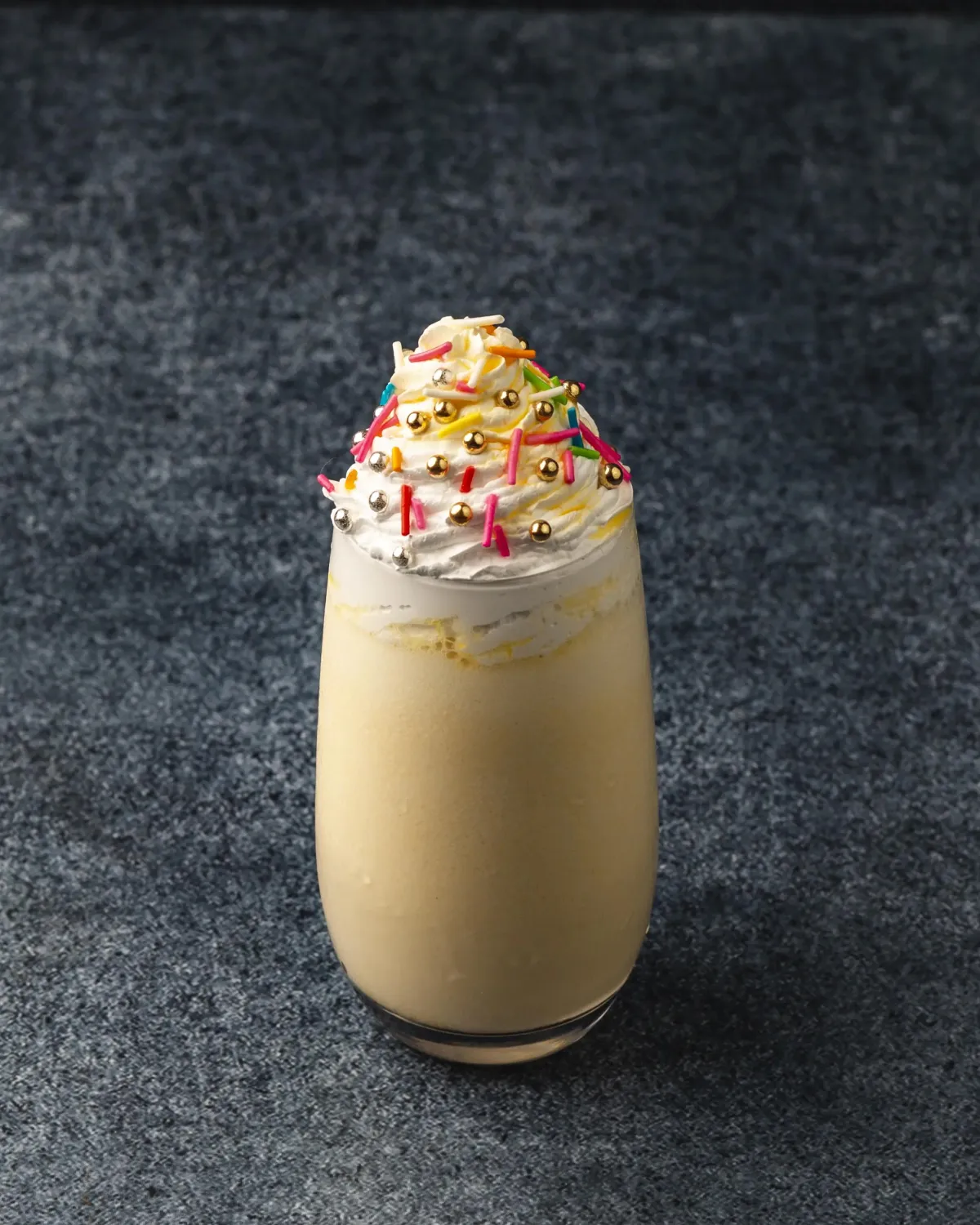 Photo: Orange Julius, via cdn.sanity.io
When Browsing Meant Walking
The phrase "window shopping" made literal sense when discovery required physical movement through space. Families would "browse" for hours without buying anything, treating the mall like a free entertainment venue and cultural education center. Store windows were carefully curated galleries showcasing not just products, but entire lifestyle concepts.
Department stores invested heavily in visual merchandising because they knew shoppers were there to be inspired, not just to purchase specific items. Seasonal displays told stories about how Americans should be living, dressing, and decorating their homes. These weren't targeted advertisements—they were cultural suggestions available to anyone who walked through the doors.
The Lost Art of Accidental Discovery
Today's discovery happens in isolated digital silos. We find new music on Spotify, new fashion on Instagram, new gadgets on Amazon. Each platform knows our preferences so well that we rarely encounter anything truly unexpected. The mall forced cross-pollination between interests—a trip to buy jeans might lead to discovering a new author, a new restaurant, or a new hobby.
The mall's greatest strength was its inefficiency. You couldn't target your shopping experience so precisely that you missed everything else happening around you. This "inefficiency" was actually a feature, not a bug—it ensured that American consumer culture remained dynamic and unpredictable.
The End of Shared Discovery
When malls began closing in the 2000s, America lost more than retail spaces—we lost a shared cultural experience. Families no longer had a common destination for weekend discovery. Teenagers lost their primary social gathering space outside of school. The entire concept of stumbling upon something new became increasingly rare.
Today's discovery is personalized, efficient, and often solitary. We get exactly what we're looking for, delivered to our door, recommended by algorithms that know our preferences better than we do. But we've lost the thrill of finding something completely unexpected, the social experience of discovery, and the shared cultural moments that happened when entire communities explored the same physical space together.
The mall wasn't just where Americans shopped—it was where we discovered what was possible, what was new, and what we didn't know we wanted. In losing that space, we gained efficiency but lost the beautiful chaos of true discovery.