The Quarterly Reckoning: When Report Cards Arrived Like Verdict Letters
The Envelope That Changed Everything
Four times a year, American mailboxes received small manila envelopes that could transform a household's entire mood. The quarterly report card wasn't just a piece of paper—it was a verdict that had been months in the making, a surprise that could launch celebrations or trigger family crises.
Parents approached these envelopes with genuine anxiety. Unlike today's parents who can monitor their children's academic performance in real-time, 1980s parents had no idea whether their child had been thriving or struggling until that official document arrived. A parent might spend an entire Tuesday evening helping their child with algebra, completely unaware that the child had been failing math for six weeks.
Children experienced a different kind of stress. They knew exactly what was coming, but they also knew their parents didn't. A student who had bombed a major test in October might spend the entire month until report cards were mailed living with the knowledge that a reckoning was approaching. There was no way to prepare parents gradually or soften the blow.
The Information Blackout
Modern parents check their children's grades the way they check the weather—constantly, casually, and with the expectation of immediate updates. Parent portals refresh throughout the day, showing not just current grades but missing assignments, upcoming tests, and teacher comments in real-time.
This constant connectivity would have seemed like science fiction to parents in 1985. They sent their children to school each morning with no way to monitor what happened during the next seven hours. Unless a child came home with a note from the teacher or volunteered information about their day, parents operated in complete darkness about academic performance.
Teachers held enormous power in this system because they controlled the flow of information between school and home. A teacher who wanted to give a struggling student time to improve might wait weeks before contacting parents. A teacher who believed in letting natural consequences play out might allow a child to fail several assignments before alerting the family.
The Student Underground Economy
This information gap created a unique dynamic in American households. Students became the sole conduits of information about their own academic performance, and many learned to manage that flow strategically.
Smart students developed elaborate systems for controlling their parents' perception of their school performance. They might emphasize their success in English while downplaying struggles in mathematics. They could report that "everyone failed" a particular test to normalize their own poor performance. They learned to time the delivery of bad news, waiting for parents to be in good moods or distracted by other concerns.
Some students became expert document forgers, carefully altering grades on tests and quizzes before showing them to parents. Others simply hid evidence entirely, stuffing failed assignments into backpacks and hoping parents wouldn't ask to see them. The quarterly report card represented the end of this information management game—the moment when official records would either vindicate their storytelling or expose their deception.
Teachers as Solo Operators
Before email and digital grade books, teachers operated with remarkable independence in their classrooms. They made daily decisions about student progress without the constant oversight of administrators or the immediate scrutiny of parents. This autonomy allowed for both exceptional teaching and problematic neglect.
Exceptional teachers used this freedom to experiment with innovative approaches, to give struggling students extra time and attention, and to push advanced students beyond standard curriculum requirements. They could focus entirely on education without spending hours responding to parental emails or justifying every grade to anxious families.
But this same system also allowed ineffective or biased teachers to operate without oversight. A teacher who had given up on certain students might ignore their struggles for months without anyone noticing. Personality conflicts between teachers and students could fester without intervention. Parents had no way to identify these problems until the quarterly grades revealed a pattern of failure.
The Ritual of Report Card Day
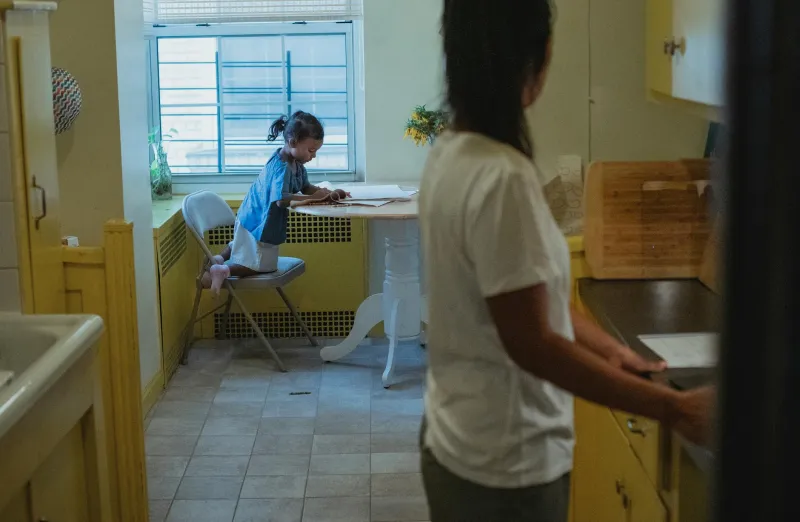
When report cards finally arrived, they triggered household rituals that modern families never experience. Parents would examine each grade carefully, comparing performance across subjects and looking for trends from previous quarters. Children would be called to the kitchen table for formal discussions about their academic performance.
These conversations carried enormous weight because they represented the only official assessment parents would receive for months. A poor report card might result in immediate restrictions on television, video games, or social activities. An excellent report card could unlock privileges or rewards that would last until the next quarterly assessment.
Families developed elaborate reward and punishment systems around these quarterly revelations. Some parents offered monetary incentives for good grades, creating a system where children could earn significant money four times per year based on their academic performance. Others used report cards as the basis for major decisions about summer camps, family vacations, or extracurricular activities.
The Lost Art of Academic Patience
Perhaps the most significant difference was how this system taught both students and parents to think about academic progress in longer time horizons. Students couldn't obsess over individual assignments because they knew their parents wouldn't see the results immediately. They learned to focus on overall performance rather than daily fluctuations.
Parents, meanwhile, developed patience born of necessity. They couldn't micromanage their children's academic performance because they didn't have access to real-time information. This forced them to trust their children's self-reporting and to focus on broader patterns rather than individual setbacks.
This quarterly rhythm created natural breathing space in the parent-child relationship. Children had months to work through academic challenges independently before involving their parents. Parents could focus on supporting good study habits rather than managing specific assignments.
The Modern Surveillance State
Today's parent portals have transformed the academic experience into a form of constant surveillance. Parents can see not just grades but exactly when assignments are due, whether homework has been submitted, and how their child performed on yesterday's quiz. Some systems even track how long students spend on online assignments and whether they've accessed required readings.
This transparency has obvious benefits. Parents can identify problems early and intervene before small issues become major failures. Teachers can communicate more effectively with families about student progress. Students can't hide academic struggles for months while problems compound.
But this constant monitoring has also changed the fundamental nature of childhood education. Students no longer experience the independence that comes from managing their own academic performance. Parents no longer develop the patience required to let children work through challenges independently.
What We Lost in the Update
The quarterly report card system wasn't perfect. Students who were struggling often suffered in silence for months before receiving help. Parents who could have provided support remained ignorant of problems until they had become entrenched. Teachers who needed to communicate with families had limited options for doing so quickly.
Yet this system also created something valuable that has largely disappeared: the experience of academic independence. Students learned to take responsibility for their own performance because they knew their parents weren't monitoring every assignment. They developed internal motivation because external oversight was limited and delayed.
Parents learned to trust their children's self-reporting and to focus on teaching good habits rather than managing specific outcomes. The quarterly rhythm forced everyone to think about education as a long-term process rather than a series of daily crises.
The manila envelope that arrived four times per year represented more than just academic assessment—it was a reminder that some aspects of childhood were meant to remain mysterious, that growing up required learning to manage information and responsibility independently, and that sometimes the most important lessons happen in the spaces between official reports.