Six Weeks and a Stack of Papers: How a Simple Fracture Could Derail Your Entire Summer
The Phone Call That Started Everything
It's Saturday morning, 1975. Your kid takes a tumble off his bike and his wrist is clearly broken. But unlike today, where you'd head straight to an urgent care clinic for X-rays and a cast within two hours, you're about to enter a medical labyrinth that could consume the next two months of your life.
First stop: the emergency room, where they'll take X-rays on actual film that needs to be developed in a darkroom. The ER doctor will set a temporary splint and hand you a manila envelope containing those precious X-ray films—your responsibility to carry from appointment to appointment without losing or damaging them. "You'll need to see an orthopedic specialist," the doctor says, as if finding one were as simple as opening an app.
The Great Specialist Hunt
Back then, finding a specialist meant calling around to different offices during business hours, explaining your situation to multiple receptionists, and hoping someone had an opening sometime in the next month. There was no online directory, no patient reviews, no way to compare doctors except through word-of-mouth recommendations from neighbors.
The first orthopedist you reach is booked solid until late August. The second doesn't take your insurance. The third wants you to get a referral from your family doctor first—another appointment, another wait, another stack of paperwork to fill out by hand.
Meanwhile, your kid is stuck in that temporary splint, unable to swim, play sports, or do much of anything during what should have been the prime weeks of summer vacation.
The Film Shuffle
Once you finally land that specialist appointment three weeks later, you arrive clutching that envelope of X-ray films like it contains state secrets. The orthopedist clips them to a light board, squints at the images, and announces that he needs "better views" of the fracture. More X-rays. More film. More waiting while the images get developed.
If he wanted to consult with a colleague about the best treatment approach, that meant physically showing the films to another doctor, possibly mailing them to a specialist in another city, or scheduling yet another appointment. The idea of instantly sharing digital images with experts around the world was pure fantasy.
When Follow-Up Meant Faith
After the cast finally went on, monitoring the healing process was equally cumbersome. Follow-up appointments were spaced weeks apart because taking X-rays was time-consuming and expensive. The orthopedist would remove the cast, take new films, wait for them to develop, and then decide whether the bone was healing properly.
There was no MRI to catch complications early, no digital imaging to spot problems immediately, no urgent care clinics for quick cast adjustments. If something felt wrong between appointments, you waited. If the cast got wet or damaged, you waited. If you had questions about the healing process, you waited until your next scheduled visit or tried to reach the doctor by phone during limited office hours.
The Insurance Paper Trail
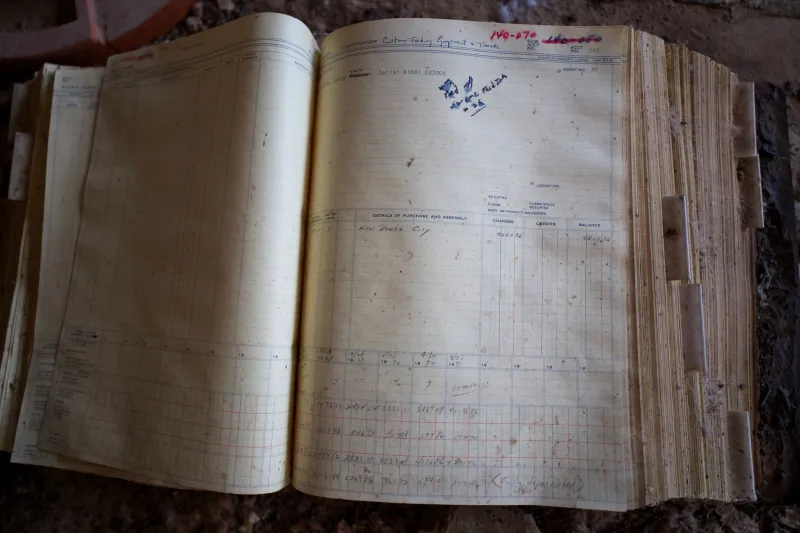
Every step of this process generated paperwork that had to be manually filed, approved, and processed. Insurance claims were submitted by mail, took weeks to process, and often came back requiring additional documentation. You might not know what you owed until months after the treatment was complete.
Pre-authorization for procedures meant your doctor's office calling your insurance company, sitting on hold for hours, and sometimes waiting days for approval. Emergency procedures might be approved retroactively—or denied entirely, leaving families with unexpected bills that could run into thousands of dollars.
The Modern Miracle of Mundane Care
Today, that same broken wrist gets X-rayed, diagnosed, and cast in a single urgent care visit that takes about two hours. Digital images are instantly available to any specialist who needs to see them. Follow-up appointments can be scheduled online, insurance verification happens in real-time, and if complications arise, you can get answers within hours rather than weeks.
The specialist shortage that once meant month-long waits has been partially solved by urgent care centers staffed with doctors trained to handle routine orthopedic injuries. What once required a referral chain involving three different doctors can now be handled by a single practitioner with access to the same diagnostic tools that were once reserved for major hospitals.
The Invisible Revolution
The transformation happened so gradually that most Americans don't realize how dramatically medical care has improved in terms of basic accessibility and speed. We complain about waiting two hours in an urgent care center, forgetting that our parents waited two months for the same level of care.
The digital revolution didn't just change how we communicate or shop—it fundamentally altered the experience of getting hurt in America. What once felt like a bureaucratic nightmare that could consume an entire summer now feels like a minor inconvenience that gets resolved in an afternoon.
That shift represents one of the most profound improvements in daily American life over the past fifty years, even though it happened so quietly that most people never noticed the revolution occurring around them.