A Pinch of This, Cook Until Right: The Vanishing World of Recipes Passed Down by Hand

Photo by Photo by Vitaly Gariev on Unsplash on Unsplash
There is a recipe for biscuits that my grandmother made every Sunday morning that no longer exists in any form that can be reliably reproduced. It was written on a yellowed index card in her handwriting, and the instructions included phrases like "enough butter" and "until the dough feels right" and, memorably, "don't overwork it or you'll ruin everything." She knew exactly what those phrases meant. She had made those biscuits four hundred times. The card was for reference, not instruction.
This is how culinary knowledge traveled in America for most of the twentieth century — not through precise measurements and step-by-step video guides, but through proximity, repetition, and an inherited understanding that lived in the hands as much as the mind.
That world is largely gone now. And what replaced it is extraordinary, genuinely democratic, and also missing something that's difficult to name.
The Index Card as Cultural Artifact
For generations of American home cooks, the recipe box was one of the most important objects in the kitchen. A small wooden or tin container, usually kept near the stove, filled with index cards in multiple handwritings — some in ink, some in pencil, some annotated in the margins with notes that accumulated over decades. "Add more vanilla" written in a different hand than the original. "Mom's version" scrawled at the top of a card that had clearly been copied from somewhere else.
These boxes were inheritance objects. They moved through families the way jewelry and furniture did — passed down deliberately, fought over occasionally, and mourned when they were lost. A house fire that destroyed a recipe box wasn't just a loss of information. It was the erasure of a culinary lineage.
The recipes themselves were written in a shorthand that assumed a baseline of kitchen knowledge. "Season to taste" meant nothing to someone who had never been taught what properly seasoned food tasted like. "A medium-hot oven" was a precise instruction if you had spent years learning the specific temperament of your family's stove. For an outsider, it was nearly useless.
This is what made the old system both intimate and exclusionary. If you had grown up in a kitchen with a patient teacher, the vague instructions made perfect sense. If you hadn't, the card might as well have been written in another language.
Learning by Standing Still
The primary method of culinary education before cooking shows and internet tutorials was straightforward: you stood next to someone who knew what they were doing and you watched. You watched until you understood the difference between a simmer and a boil by the sound it made, not by reading a description. You learned what caramelized onions smelled like at the moment before they crossed the line into burned. You developed instincts that couldn't be written down because they were fundamentally sensory.
This kind of transmission was slow and deeply personal. It required time and physical presence. It also meant that regional and family variations in dishes persisted across generations in a way that modern standardization has largely eliminated. A green bean casserole in South Carolina tasted different from one in Minnesota because the person who taught the recipe in each place had learned it from someone else who had learned it from someone else, and each transmission introduced small variations that accumulated into something genuinely distinct.
The printed cookbook existed alongside this oral tradition but rarely replaced it. The Joy of Cooking, first published in 1931, and Betty Crocker's various editions were reference materials — books you consulted when you were trying something new, not the primary source of everyday kitchen knowledge. Most home cooks in mid-century America could prepare their standard repertoire entirely from memory, or from cards they barely needed to read.
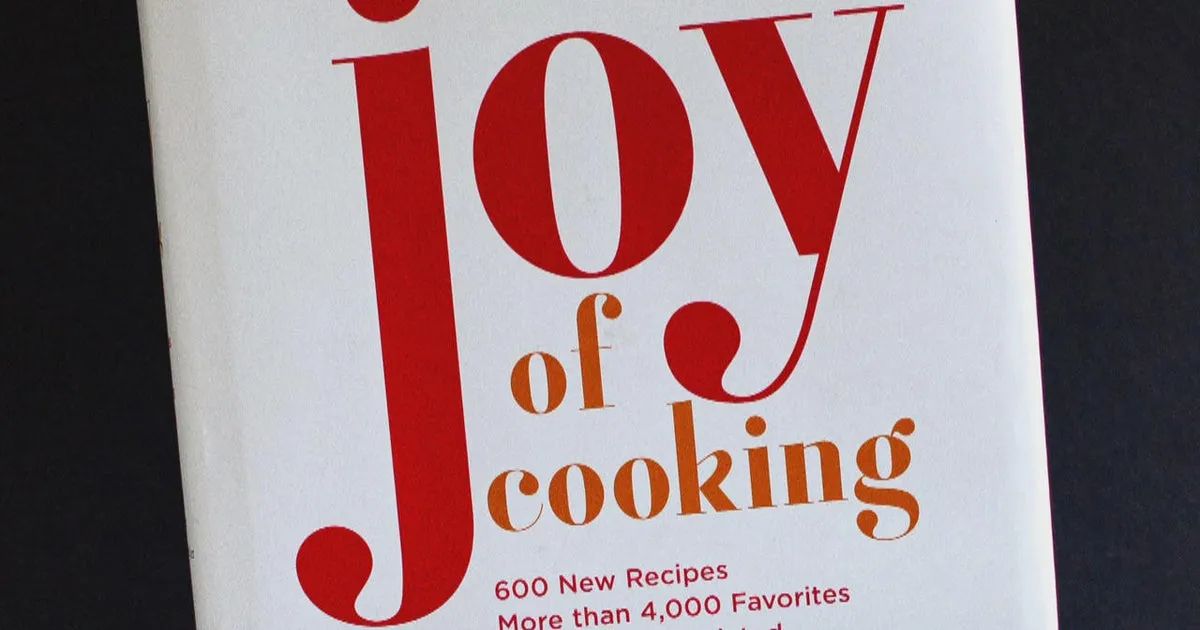 Photo: The Joy of Cooking, via assets1.cbsnewsstatic.com
What the Television Kitchen Changed
Julia Child's arrival on American television in 1963 was a genuine cultural rupture. The French Chef introduced the idea that cooking could be learned from a screen — that technique could be transmitted visually to a mass audience without requiring physical presence. Child's genius was in making the process legible to people who had never stood in a French kitchen, who had no grandmother to show them how to properly truss a chicken.
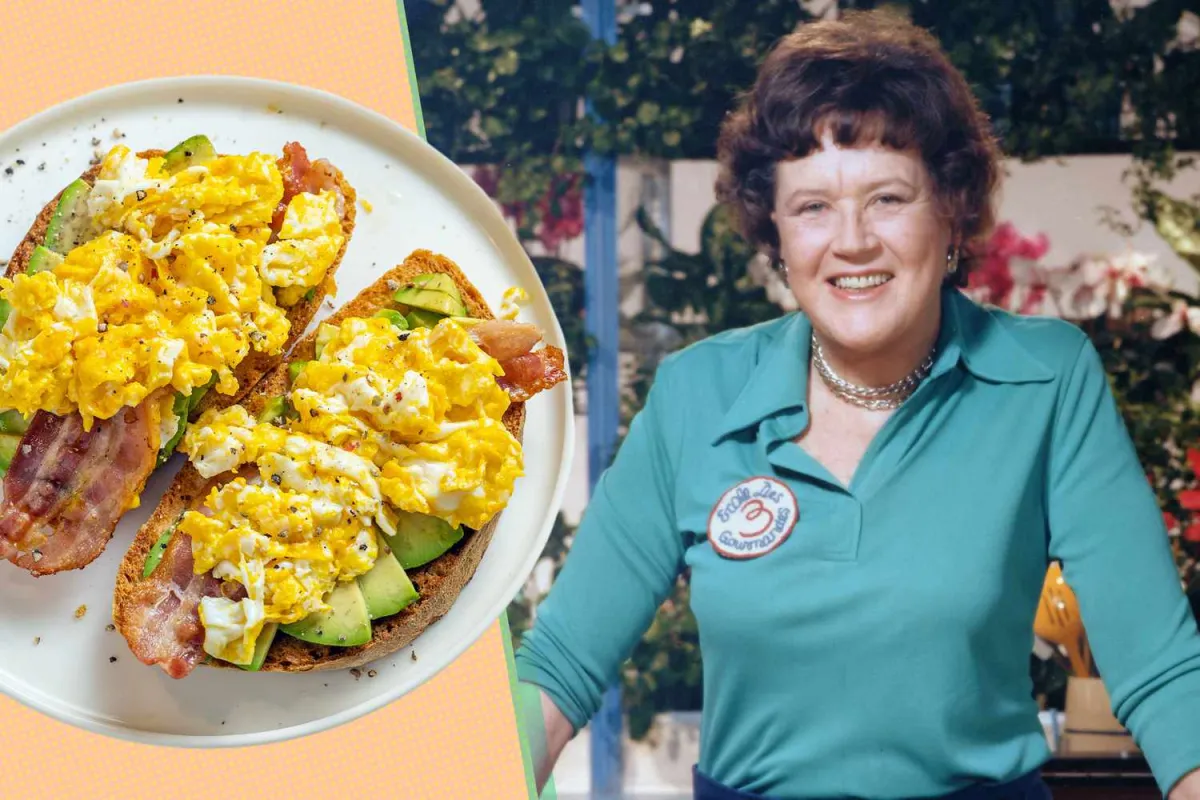 Photo: Julia Child, via www.simplyrecipes.com
But even Child's show had limits that modern cooking media doesn't. You watched it when it aired. You couldn't pause it, rewind it, or search for the specific moment where she explained how to tell when the butter was hot enough. You either caught it or you didn't. The knowledge was still, in a meaningful sense, ephemeral.
The real transformation came with YouTube, which launched in 2005, and the explosion of food content that followed. By the mid-2010s, you could find a video tutorial for virtually any dish in any cuisine, taught at any skill level, pausable and replayable and searchable at any hour of the day. The information barrier that had defined home cooking for generations essentially dissolved overnight.
The Algorithm Knows What You're Making for Dinner
Today's home cook has access to something genuinely unprecedented: on-demand expertise from professional chefs, home cooks from every culinary tradition on earth, and specialists in dietary restrictions, budget cooking, and regional cuisines that would have been nearly impossible to learn about in a mid-century American kitchen.
The democratization is real and significant. A first-generation American who grew up without access to their family's culinary traditions can now find video tutorials for the dishes that were lost in immigration. Someone with a gluten intolerance can find more high-quality recipes than any previous generation could have imagined. The barrier to learning any dish from any culture has never been lower.
But something has quietly shifted in the relationship between the cook and the recipe. When knowledge lived in people rather than databases, cooking a dish was also an act of connection. You made your grandmother's pie crust the way she made it, which was the way her mother made it, which connected you to a chain of people who had stood in kitchens before you and figured out the same problem.
The handwritten index card, with its vague instructions and its accumulated margin notes, was evidence of that chain. It showed you that the recipe had been made, and modified, and passed forward by actual human hands.
The Heirloom That Can't Be Googled
None of this is an argument against the extraordinary culinary resources available today. The YouTube tutorial is a marvel. The searchable recipe database is genuinely useful in ways that no previous generation of home cooks had access to.
But there's a particular kind of knowledge that doesn't transfer through video — the knowledge that a specific dish, made by a specific person, tasted a specific way that cannot be fully replicated because part of what made it taste that way was who made it and what they understood about your family's preferences and the particular afternoon you ate it.
Some recipes are also memories. And memories, unlike YouTube videos, can't be archived.