How different was the world before today?

Era Chasm

How different was the world before today?

Latest Articles

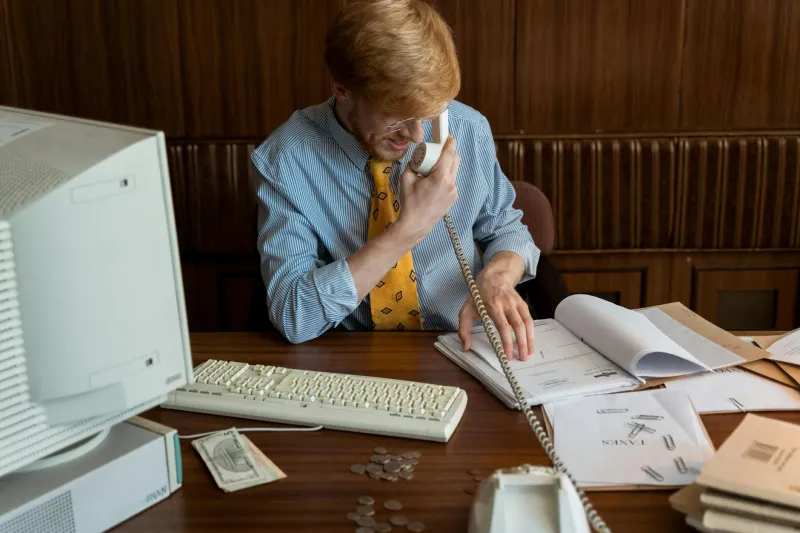
Calling Your Broker Just to Lose Money on the Commission: The Stock Market Before Your Phone Did It All
Finance

Calling Your Broker Just to Lose Money on the Commission: The Stock Market Before Your Phone Did It All

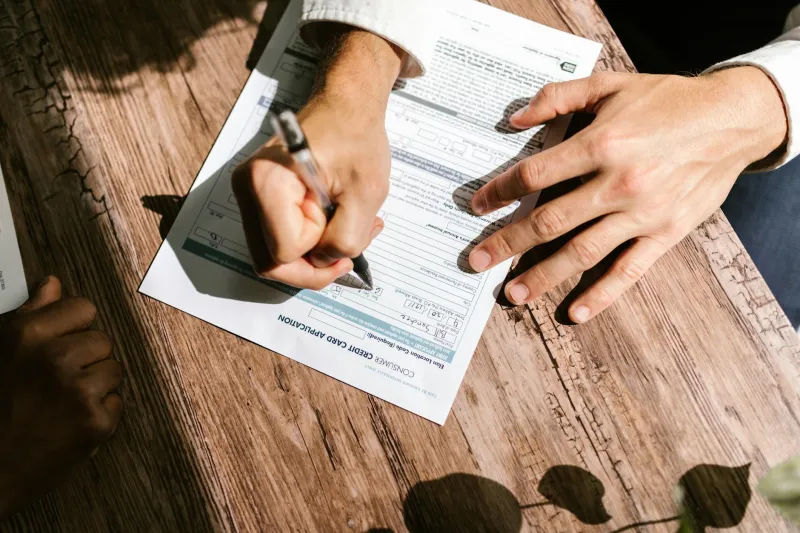
Buying a single share of stock once meant phone calls, paperwork, and fees that could eat your profits before the trade even cleared. Today, anyone with a smartphone and five dollars can be in the market by lunch. The gap between those two worlds is wider than most people realize.

House Calls, Home Remedies, and Hoping for the Best: What Getting Sick in 1960 Actually Meant
Culture

House Calls, Home Remedies, and Hoping for the Best: What Getting Sick in 1960 Actually Meant

In 1960, a serious diagnosis could mean financial ruin, a surgical procedure could mean weeks of recovery with no guarantees, and conditions we now treat with a single prescription were quietly killing people in their prime. The distance between mid-century American healthcare and what exists today is one of the most dramatic — and underappreciated — gaps in modern life.

Long Distance Used to Cost You: The Vanished World of Planned, Precious Communication
Finance

Long Distance Used to Cost You: The Vanished World of Planned, Precious Communication

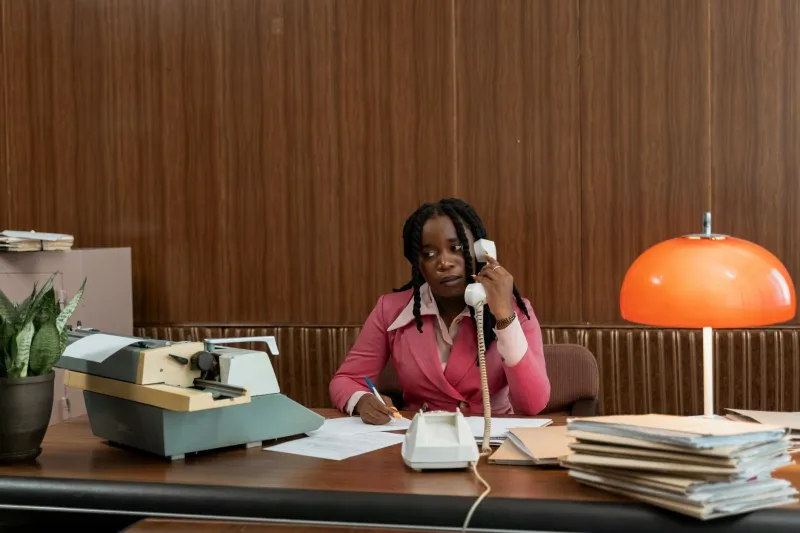
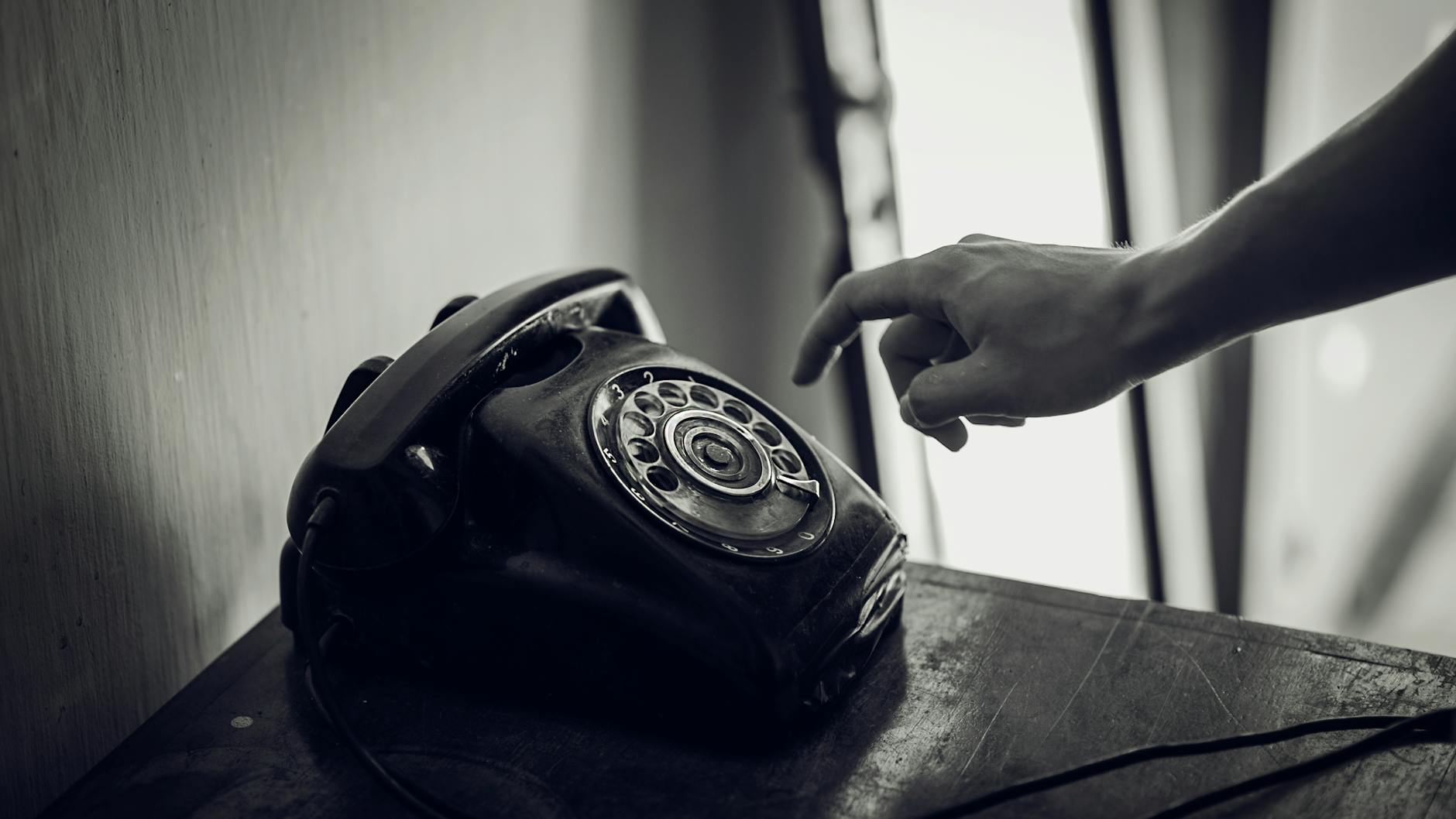
There was a time in America when calling a relative in another state meant checking the clock, keeping it short, and bracing for the phone bill. When a letter took days and a reply took days more, and waiting to hear back from someone was simply part of how life worked. That world is gone — and the way it disappeared tells us something surprising about what we've gained and what quietly slipped away.

From Brochures and Busy Signals to Booked Before Breakfast: The Death of the Vacation Planning Marathon
Travel

From Brochures and Busy Signals to Booked Before Breakfast: The Death of the Vacation Planning Marathon

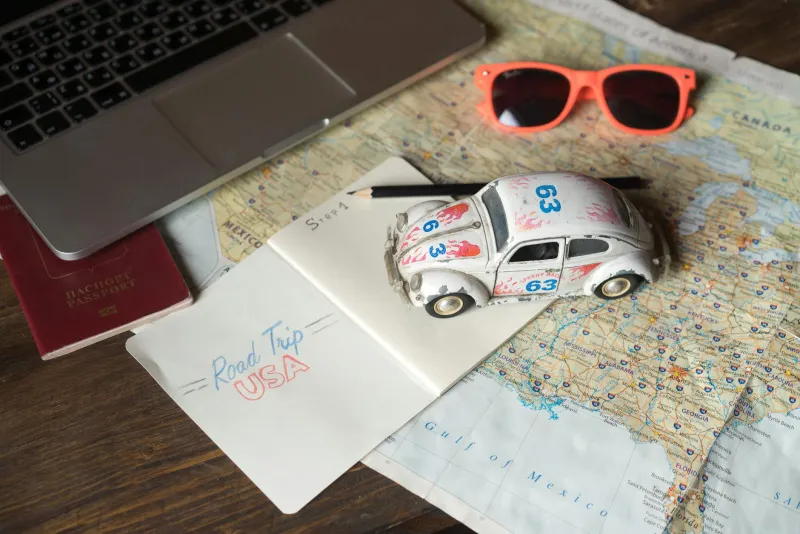
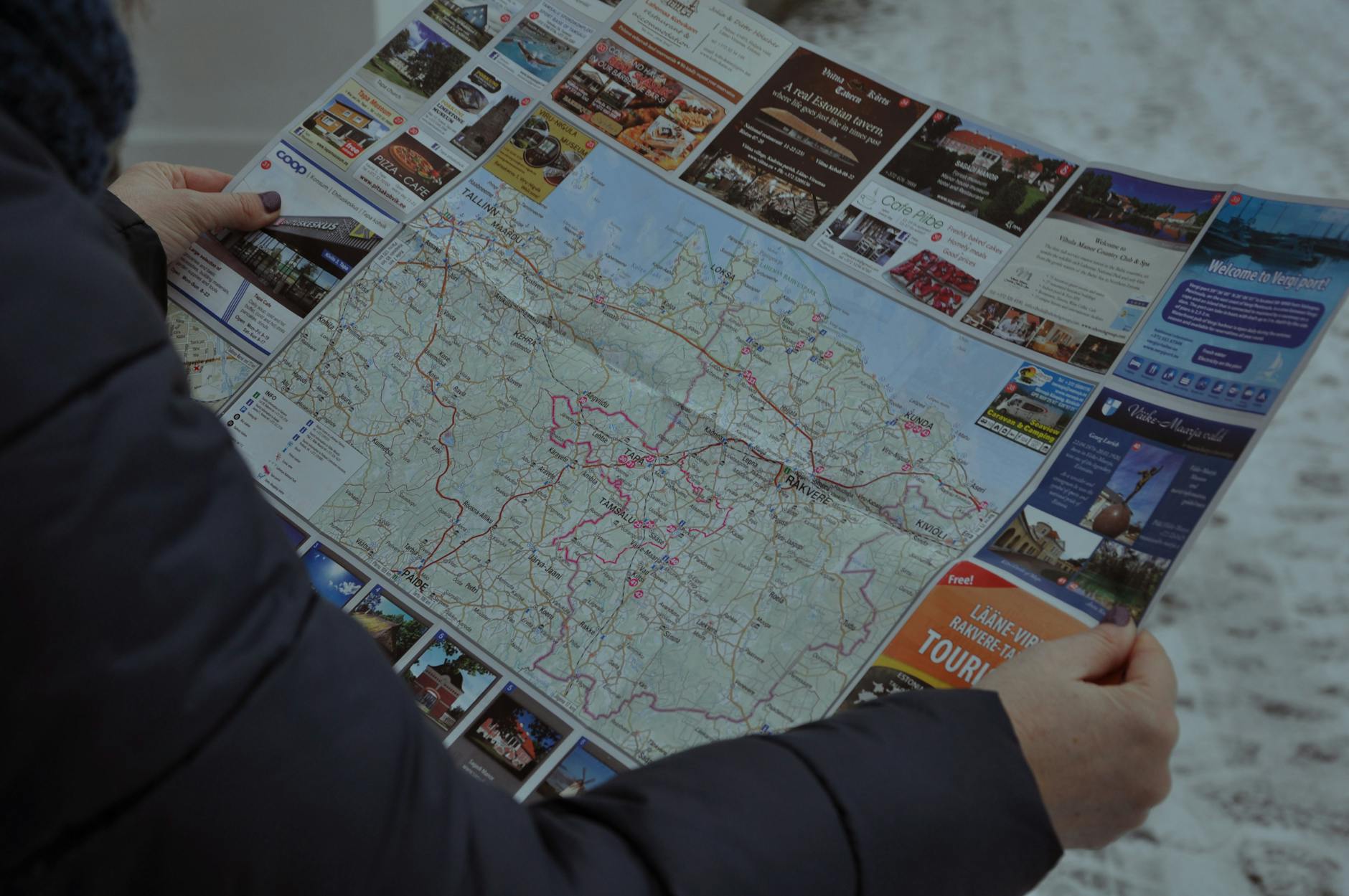
Planning a family vacation in 1975 wasn't just time-consuming — it was practically a second job. Between visiting travel agents, waiting on mailed brochures, and deciphering fold-out maps on the living room floor, the process could eat up weeks before anyone packed a single bag. Today, the whole thing fits in your lunch break.

6 AM and the TV Was Already Waiting: The Saturday Morning Ritual That an Entire Generation Shared
Culture

6 AM and the TV Was Already Waiting: The Saturday Morning Ritual That an Entire Generation Shared

For millions of American kids in the mid-1980s, Saturday morning was its own kind of holiday — a few sacred hours of cartoons, cereal, and zero adult supervision that felt like the whole point of surviving the school week. That world is almost completely gone now, replaced by something so different it barely resembles the same concept of childhood. What happened, and should we actually miss it?

The $100 Shopping Cart: How a Half-Century Transformed What Americans Eat, Buy, and Can Afford
Finance

The $100 Shopping Cart: How a Half-Century Transformed What Americans Eat, Buy, and Can Afford

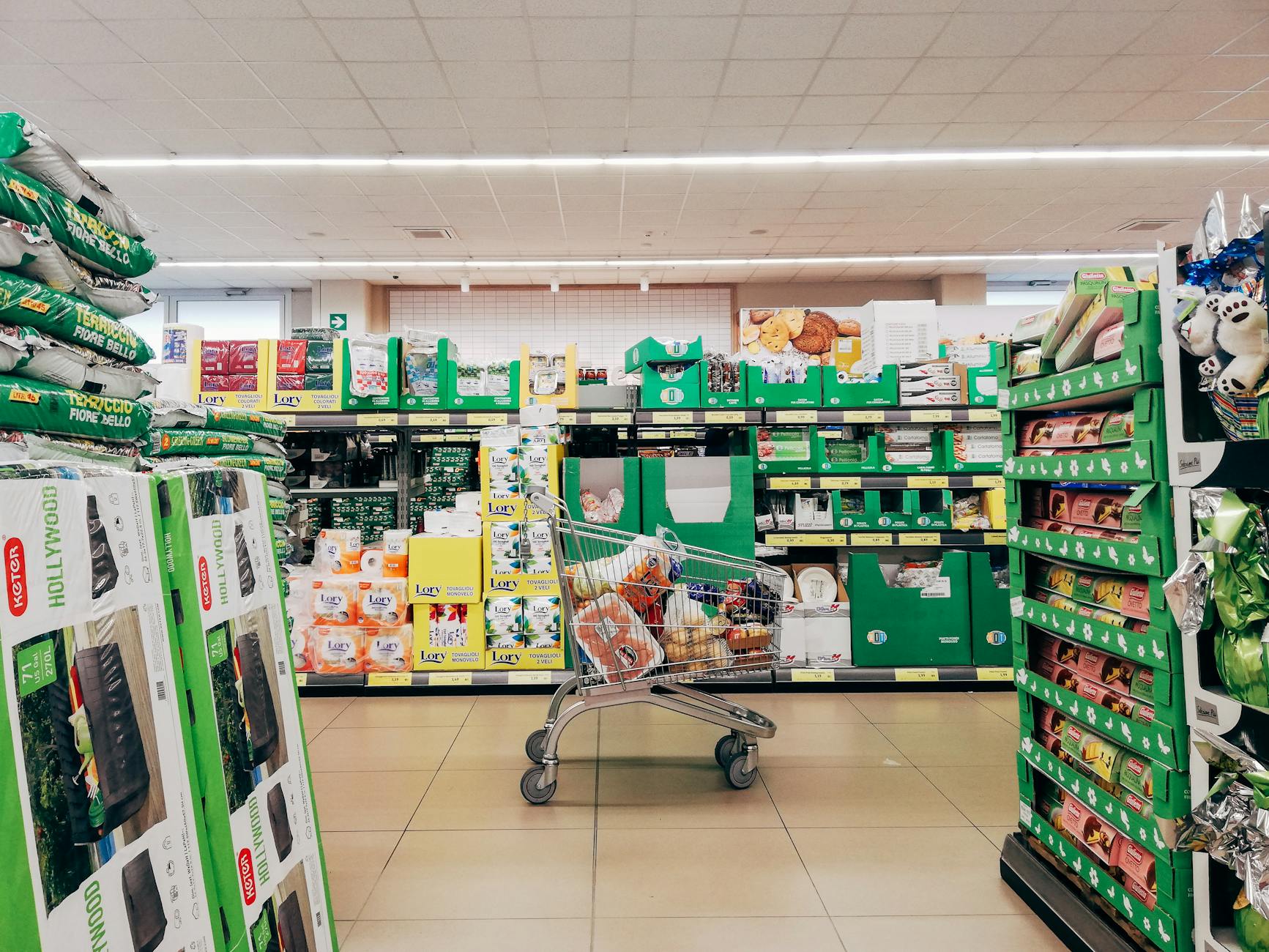
A hundred dollars at the grocery store in 1975 filled a cart in ways that would genuinely shock a modern shopper. But inflation is only part of the story. What Americans buy, how it's made, and what's quietly become unaffordable tells a far more complicated story about how the country eats — and what that says about who we've become.

Fueled by Uncertainty: What It Really Took to Drive America's Most Famous Highway in 1950
Travel

Fueled by Uncertainty: What It Really Took to Drive America's Most Famous Highway in 1950

Driving from Chicago to Los Angeles sounds like an adventure today — and it is. But in 1950, it was something closer to an expedition. Before GPS, interstate rest stops, and roadside assistance apps, a cross-country drive meant carrying paper maps, praying your engine held together through the Mojave, and knowing that some motel doors simply wouldn't open for you depending on the color of your skin.