How different was the world before today?

Era Chasm

How different was the world before today?

Latest Articles

When Getting a Table Meant Begging the Hostess: The Lost Art of Restaurant Politics Before Apps
Culture

When Getting a Table Meant Begging the Hostess: The Lost Art of Restaurant Politics Before Apps

Before OpenTable revolutionized dining, securing a Saturday night reservation required charm, persistence, and sometimes knowing the right people. The maitre d' held all the power, and 'fully booked' often meant 'not for people like you.'

When Breaking Up Required Breaking the Bank: The Pre-1970s Divorce Maze That Trapped American Couples
Culture

When Breaking Up Required Breaking the Bank: The Pre-1970s Divorce Maze That Trapped American Couples

Before no-fault divorce transformed American law in the 1970s, ending a marriage meant proving someone was guilty, hiring expensive lawyers, and sometimes staging elaborate deceptions just to satisfy a judge. The contrast between then and now reveals how dramatically our legal system has shifted around personal freedom and what the government once controlled about your private life.

The Hunt for the Golden Ticket: When Seeing Your Favorite Band Required Military-Level Strategy
Culture

The Hunt for the Golden Ticket: When Seeing Your Favorite Band Required Military-Level Strategy

Before smartphones put concert tickets at your fingertips, scoring seats to see Madonna or the Lakers meant camping out at Tower Records, befriending venue employees, or trusting sketchy guys outside arenas. The digital revolution promised to democratize ticket sales, but did it just create new gatekeepers?

When Tuesday's Weather Was Still a Mystery on Monday Night: America Before the Instant Forecast
Culture

When Tuesday's Weather Was Still a Mystery on Monday Night: America Before the Instant Forecast

Before smartphones put hourly forecasts in our pockets, Americans lived with genuine uncertainty about tomorrow's weather. A single evening TV forecast determined everything from wedding plans to farming decisions, and getting caught in the rain wasn't just inconvenient—it was inevitable.

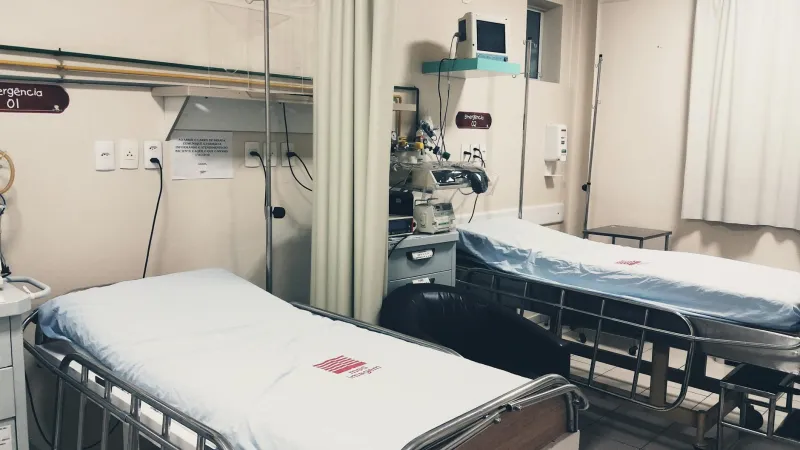
The Mystery Illness Era: When Americans Had to Trust Their Doctor's Best Guess
Culture

The Mystery Illness Era: When Americans Had to Trust Their Doctor's Best Guess

Before the internet transformed us all into amateur diagnosticians, getting sick meant entering a world of uncertainty where your doctor's word was final. This was an era when mysterious symptoms could remain mysteries for years, and second opinions required actual second appointments.

When Music Discovery Required a Conversation: The Death of the Human Playlist
Culture

When Music Discovery Required a Conversation: The Death of the Human Playlist

Before Spotify's algorithm knew your musical soul, there was Dave behind the counter at Tower Records who somehow knew exactly what you needed to hear next. The era when discovering your new favorite band meant having an actual conversation with another human being has vanished into the digital ether.

Planning a Trip to Paris Meant Visiting Three Different Offices Downtown: How International Travel Became a Part-Time Job
Travel

Planning a Trip to Paris Meant Visiting Three Different Offices Downtown: How International Travel Became a Part-Time Job

Booking a vacation to Europe once required weeks of preparation, multiple downtown visits, and a small army of specialists. Today's click-and-go international travel would have seemed like pure magic to travelers of the 1980s.

When Your Doctor Actually Knew Your Middle Name: The Vanishing Art of Unhurried Healthcare
Culture

When Your Doctor Actually Knew Your Middle Name: The Vanishing Art of Unhurried Healthcare

Before telehealth and urgent care clinics, seeing a doctor meant blocking out half your day, sitting in cramped waiting rooms, and developing a genuine relationship with someone who remembered your family history. The convenience revolution has transformed healthcare into an on-demand service, but something profound was lost in translation.

When Radio DJs Were Your Music Oracle: The Lost Art of Discovering Songs by Pure Chance
Culture

When Radio DJs Were Your Music Oracle: The Lost Art of Discovering Songs by Pure Chance

Before algorithms predicted your next favorite song, Americans relied on radio DJs, record store clerks, and pure serendipity to discover new music. This slower, more unpredictable journey created deeper connections with artists and spawned entire subcultures around the thrill of the unknown.

Travel

When Your Car Might Not Make It: American Road Trips Before Reliability Was Guaranteed

A cross-country road trip in the 1950s was a genuine adventure—partly because you never knew if your car would actually make it. Breakdowns were routine. Roadside mechanics were essential. Spare parts were standard cargo. Modern cars have made road trips safer and easier, but we've lost something in the trade: the visceral sense of accomplishment that came with reaching your destination.

Your Banker Knew Your Name—and Decided If You Deserved a House: Mortgages Before the Algorithm
Finance

Your Banker Knew Your Name—and Decided If You Deserved a House: Mortgages Before the Algorithm

Getting a mortgage in the 1950s meant sitting across from your local bank manager, who would personally decide whether you were trustworthy enough to lend $20,000. The system was exclusionary, opaque, and often rigged. Today's mortgage process is more transparent—but affordability itself has become the real barrier.

Culture

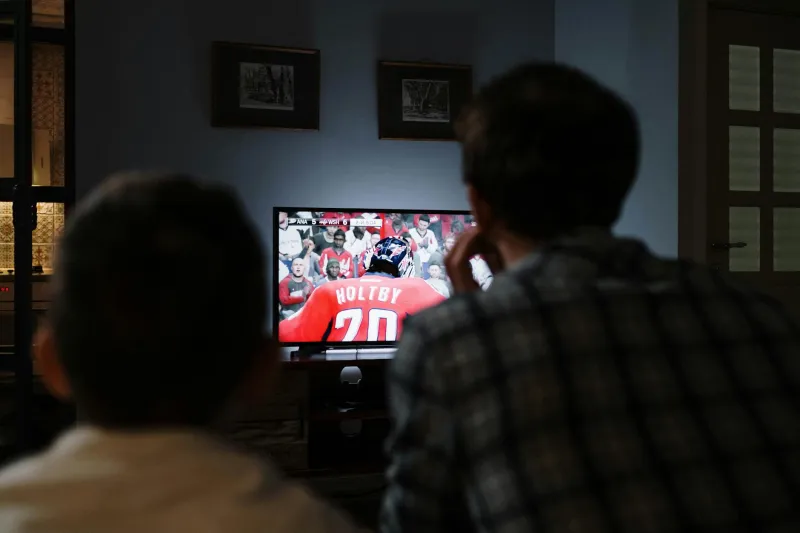
When Renting a Movie Meant Committing to a Decision: The Blockbuster Era vs. Endless Scrolling

Friday nights once meant a trip to Blockbuster, where you had maybe 20 minutes to choose from limited shelves before driving home with your selection. Today's streaming menus offer thousands of options—yet somehow, we're more indecisive than ever. The friction of the past might have actually made watching feel more rewarding.

Dressed Up, Checked In, and Completely Bored at 30,000 Feet: The Lost World of Flying Coach
Culture

Dressed Up, Checked In, and Completely Bored at 30,000 Feet: The Lost World of Flying Coach

Flying coach in the 1970s and 80s came with a dress code, a smoking section, and absolutely nothing to do for four hours but think. It was simultaneously considered a glamorous experience and a genuine endurance test. The skies have changed more than most travelers realize.

Paper, Instinct, and a Healthy Fear of Wrong Turns: Navigating America Before GPS Existed
Travel

Paper, Instinct, and a Healthy Fear of Wrong Turns: Navigating America Before GPS Existed

Before a calm voice told you to turn left in 400 feet, American road travelers relied on folded maps, gas station wisdom, and sheer determination. Getting lost wasn't a glitch in the system — it was baked into the experience. Here's what navigating the open road actually looked like before satellites got involved.

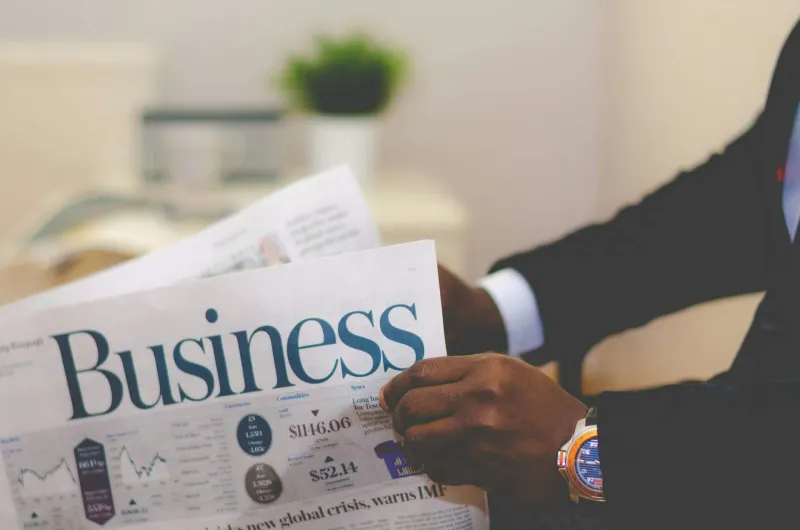
Calling Your Broker Just to Lose Money on the Commission: The Stock Market Before Your Phone Did It All
Finance

Calling Your Broker Just to Lose Money on the Commission: The Stock Market Before Your Phone Did It All

Buying a single share of stock once meant phone calls, paperwork, and fees that could eat your profits before the trade even cleared. Today, anyone with a smartphone and five dollars can be in the market by lunch. The gap between those two worlds is wider than most people realize.

From Brochures and Busy Signals to Booked Before Breakfast: The Death of the Vacation Planning Marathon
Travel

From Brochures and Busy Signals to Booked Before Breakfast: The Death of the Vacation Planning Marathon

Planning a family vacation in 1975 wasn't just time-consuming — it was practically a second job. Between visiting travel agents, waiting on mailed brochures, and deciphering fold-out maps on the living room floor, the process could eat up weeks before anyone packed a single bag. Today, the whole thing fits in your lunch break.

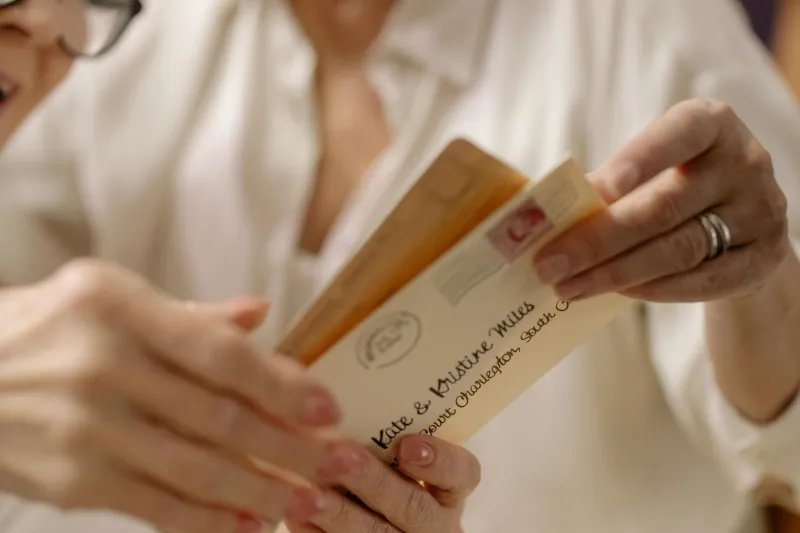
Long Distance Used to Cost You: The Vanished World of Planned, Precious Communication
Finance

Long Distance Used to Cost You: The Vanished World of Planned, Precious Communication

There was a time in America when calling a relative in another state meant checking the clock, keeping it short, and bracing for the phone bill. When a letter took days and a reply took days more, and waiting to hear back from someone was simply part of how life worked. That world is gone — and the way it disappeared tells us something surprising about what we've gained and what quietly slipped away.

House Calls, Home Remedies, and Hoping for the Best: What Getting Sick in 1960 Actually Meant
Culture

House Calls, Home Remedies, and Hoping for the Best: What Getting Sick in 1960 Actually Meant

In 1960, a serious diagnosis could mean financial ruin, a surgical procedure could mean weeks of recovery with no guarantees, and conditions we now treat with a single prescription were quietly killing people in their prime. The distance between mid-century American healthcare and what exists today is one of the most dramatic — and underappreciated — gaps in modern life.

The $100 Shopping Cart: How a Half-Century Transformed What Americans Eat, Buy, and Can Afford
Finance

The $100 Shopping Cart: How a Half-Century Transformed What Americans Eat, Buy, and Can Afford

A hundred dollars at the grocery store in 1975 filled a cart in ways that would genuinely shock a modern shopper. But inflation is only part of the story. What Americans buy, how it's made, and what's quietly become unaffordable tells a far more complicated story about how the country eats — and what that says about who we've become.

Fueled by Uncertainty: What It Really Took to Drive America's Most Famous Highway in 1950
Travel

Fueled by Uncertainty: What It Really Took to Drive America's Most Famous Highway in 1950

Driving from Chicago to Los Angeles sounds like an adventure today — and it is. But in 1950, it was something closer to an expedition. Before GPS, interstate rest stops, and roadside assistance apps, a cross-country drive meant carrying paper maps, praying your engine held together through the Mojave, and knowing that some motel doors simply wouldn't open for you depending on the color of your skin.