Stranded in a Foreign City and Completely Fine With It: The Era of the Multi-Day Stopover
Somewhere right now, a traveler is furiously refreshing a rebooking app because their connecting flight has a 90-minute window and their incoming flight is running 20 minutes late. The anxiety is real. The math is tight. The whole situation feels like a minor crisis.
Seventy years ago, that same traveler would have been booked on a connection with a three-day gap between flights, handed a hotel voucher by the airline, and essentially told to go explore a foreign city until the next leg departed. And they would have shrugged and done exactly that.
The compression of international travel time over the past half-century is one of the most dramatic — and least appreciated — transformations in modern life. We've traded the slow, involuntary adventure of getting somewhere for the frictionless efficiency of simply arriving. Both have their costs.
The Propeller Era and the Art of the Long Journey
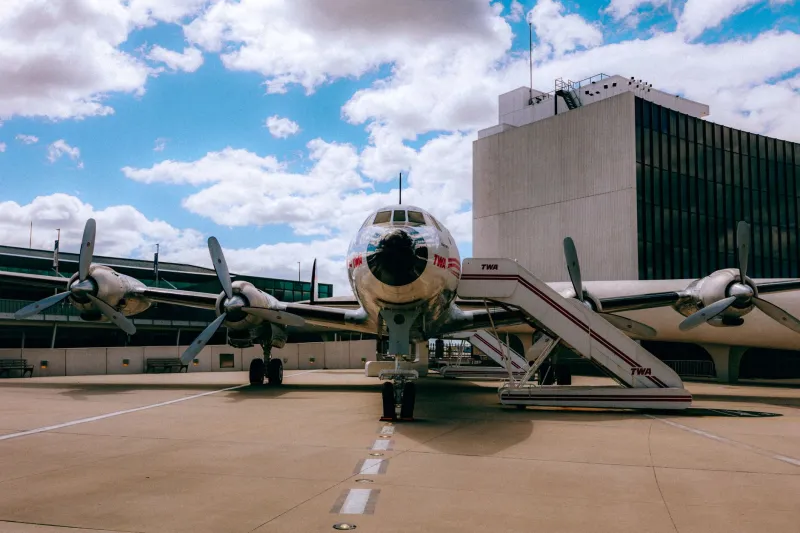
Before the jet age fundamentally rewired international travel in the late 1950s, crossing the Atlantic or the Pacific wasn't just a long flight. It was a multi-day expedition with scheduled stops built into the itinerary the way train stations are built into a rail line.
Early transatlantic routes operated by carriers like Pan American World Airways — the dominant name in international aviation for much of the mid-century — used propeller-driven aircraft that simply couldn't cover the distances modern jets handle in a single push. A flight from New York to London might route through Gander, Newfoundland, then Shannon, Ireland, before finally reaching its destination. Each stop wasn't a brief refueling pause — it could mean an overnight stay, sometimes longer, depending on weather, mechanical checks, or simply the rhythm of the schedule.
 Photo: Shannon, Ireland, via i.natgeofe.com
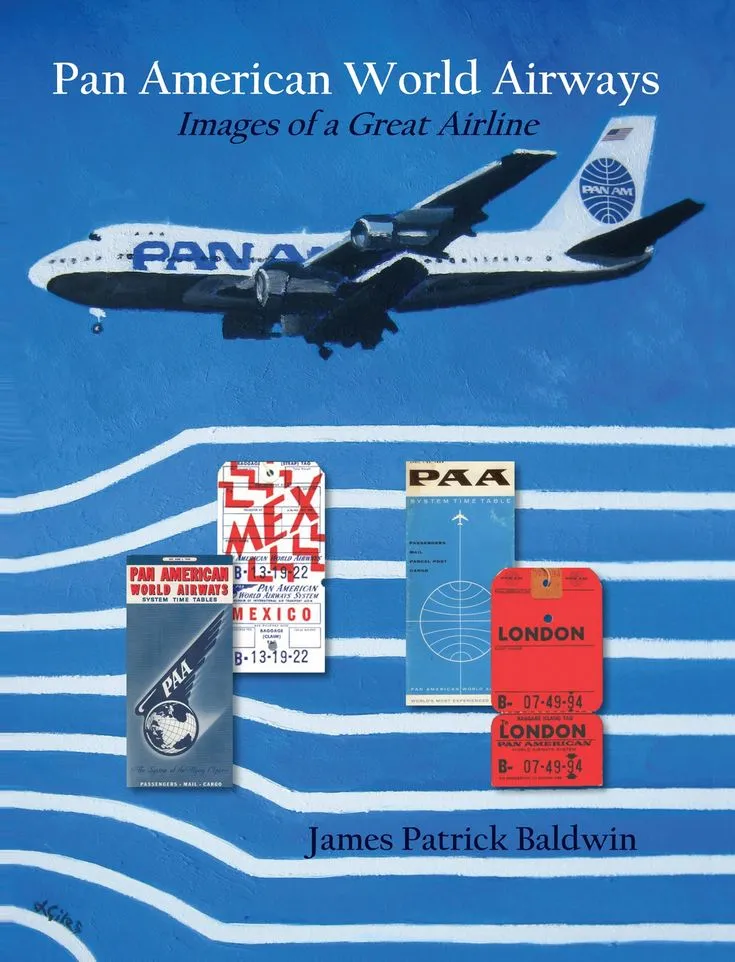 Photo: Pan American World Airways, via i.pinimg.com
Pan Am's early Clipper service, which launched transatlantic passenger flights in 1939, made the crossing in roughly 26 to 29 hours of actual flying time — spread across multiple days with mandatory overnight stops along the way. Passengers weren't just tolerating this. For many, the stopovers were a feature, not a flaw.
The Involuntary Mini-Vacation
Here's what makes the old stopover culture genuinely fascinating to think about from a modern vantage point: travelers didn't experience multi-day layovers as delays. They experienced them as part of the trip.
Airlines like Pan Am built the stopover into their brand identity. Passengers on long-haul routes were often accommodated in hotels that the airline had negotiated contracts with — sometimes quite good hotels, in city centers, with meals included. If you were flying from San Francisco to Tokyo in the early 1950s, you might spend a night in Honolulu and another in Wake Island, not because something had gone wrong, but because that was simply how the journey worked.
Some travelers planned around it deliberately. A New Yorker flying to Beirut might budget an extra two days in Lisbon, knowing the schedule included a long stop. What would today be logged as a travel disruption was then treated as a bonus destination — an unexpected afternoon in Shannon, a morning exploring Gander, a full day wandering a city you never would have booked intentionally.
There's something quietly wonderful about that framing. The journey itself had texture. It had pauses and detours built into its structure, the same way a good road trip has unexpected diners and roadside stops rather than a single unbroken push toward the destination.
The Jet Age Changed Everything
When Boeing's 707 entered commercial service in 1958 and Douglas's DC-8 followed shortly after, the economics and physics of international travel shifted almost overnight. Jets flew higher, faster, and farther. Routes that had required three or four stops could suddenly be completed nonstop or with a single brief connection.
The transatlantic crossing shrank from a multi-day affair to something you could do in seven hours. The Pacific, which had once demanded island-hopping across several days, became a single overnight flight. The world contracted at a speed that was genuinely disorienting to the generation that had grown up with propeller schedules.
Airlines competed fiercely on speed and directness. The marketing pitch was efficiency: get there faster, with fewer stops, less disruption. Passengers responded enthusiastically. Why would you want to spend three days getting somewhere when you could do it in one?
The stopover didn't disappear immediately — it lingered through the 1960s and 1970s as a budget option and as a feature of certain long-haul routes — but its cultural meaning changed completely. What had been a standard part of the journey became an inconvenience to be minimized.
The Modern Obsession With Zero Friction
Today's traveler operates in a world built around the elimination of every possible pause. Real-time rebooking apps. Airline status tiers that prioritize fast connections. Airport designs engineered for rapid transit between gates. The 90-minute connection window that causes anxiety now would have seemed impossibly tight to a 1952 Pan Am passenger who was budgeting three days in Shannon.
The frustration is understandable — modern travelers have real schedules, real deadlines, real costs associated with delays. But there's a perspective shift worth attempting: the entire framework of international travel has been compressed so dramatically that what feels like a broken system is actually a marvel of efficiency compared to the baseline that existed within living memory.
Missing a connection used to mean sleeping in a foreign city for three nights. Now it means a four-hour wait and a $15 meal voucher. That's not nothing.
The Chasm Between Then and Now
The gap between the propeller-era stopover and the modern connecting flight isn't just a matter of speed. It's a difference in the entire philosophy of what travel is supposed to be.
The old model, whatever its inefficiencies, assumed that getting somewhere was itself an experience worth having — that the journey had its own value, its own surprises, its own unplanned afternoons in cities you hadn't planned to visit. The modern model treats travel time as dead time: something to be minimized, optimized, and ideally eliminated entirely.
Both approaches make sense on their own terms. But the next time you're fuming about a 45-minute delay, it might be worth remembering that there was a generation of American travelers who would have considered your entire flight — door to door, delays included — an almost miraculous compression of time and distance.
They would have been right.