The Two-Door Healthcare System
Picture this: It's 1975, and you've twisted your ankle playing weekend softball. Today, you'd drive five minutes to the nearest urgent care clinic, wait maybe twenty minutes, and walk out with an X-ray and treatment plan in under an hour. But in 1975, you faced a brutal choice that would consume your entire day and possibly your week.
Option one: Call your family doctor's office and hope for an appointment sometime in the next seven to ten days. "It's not an emergency," the receptionist would remind you, as if you hadn't already figured that out while hobbling around your house. Option two: drag yourself to the hospital emergency room and settle in for what everyone knew would be a marathon wait alongside heart attack patients, car accident victims, and genuinely critical cases.
There was no door number three.
The Emergency Room That Wasn't Really for Emergencies
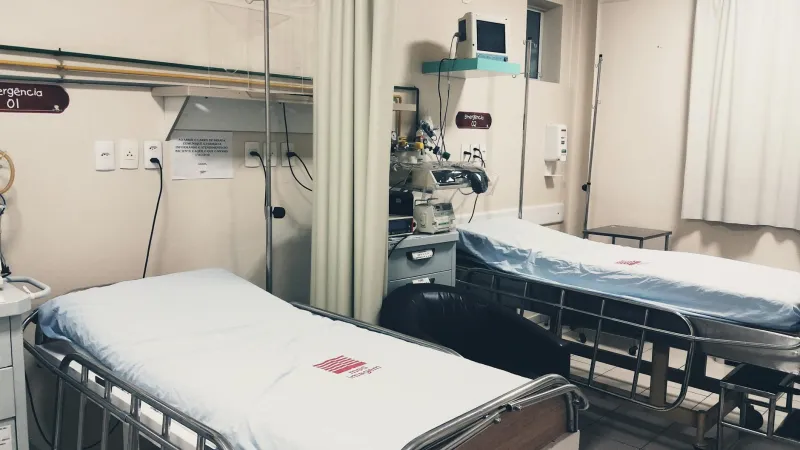
By the 1970s, America's emergency rooms had become accidental urgent care centers, clogged with patients who had nowhere else to go for immediate medical attention. A mother with a feverish toddler would sit next to construction workers with minor injuries, office workers with sudden back pain, and college students with what they hoped wasn't strep throat.
The wait times were legendary. Four hours was optimistic. Six hours was common. Some patients brought books, snacks, and resignation. Emergency room staff, trained to handle life-threatening trauma, found themselves spending most of their time treating earaches and checking suspicious moles.
The cost reflected this inefficiency. Emergency room visits cost roughly three times what a regular doctor's visit would charge, but when your regular doctor couldn't see you until Thursday and it was Monday morning, the choice was made for you.
When Your Family Doctor Knew Everyone's Business
The alternative was waiting for your family physician, who maintained a practice that would seem impossibly personal by today's standards. Dr. Johnson knew your mother's maiden name, remembered your high school football injury, and could tell you exactly when your last tetanus shot was without consulting a computer.
But this intimacy came with constraints. Most family practices operated with one or two doctors serving entire neighborhoods. Appointment books filled weeks in advance. Sick days were scheduled days. The concept of "walk-in" hours existed only in the most progressive practices, and even then, it meant showing up at 7 AM and hoping to be seen by noon.
For anything more complex than a routine physical, referrals moved at the speed of telephone tag and mailed letters. Getting an X-ray meant a separate appointment at the hospital. Lab work required another trip, another wait, another day off work.
The Birth of the In-Between
The first urgent care clinic opened in 1973 in Woodbridge, Virginia, founded by a doctor frustrated with the very system patients were struggling to navigate. But the concept spread slowly. By 1980, fewer than a hundred urgent care centers existed nationwide. Most Americans had never heard the term.
The real explosion came in the 1990s, driven by managed care organizations looking for cost-effective alternatives to emergency room visits. Suddenly, strip malls across America sprouted walk-in clinics with names like "MedExpress" and "FastCare." The promise was revolutionary: medical attention without an appointment, without the drama of an emergency room, and without the wait.
Today's Instant Gratification Healthcare
Today, the average American lives within fifteen minutes of an urgent care clinic. Most are open seven days a week, many until 9 PM or later. Walk in with a sprained wrist at 2 PM on a Tuesday, and you'll likely walk out with an X-ray, a diagnosis, and a treatment plan before your lunch break officially ends.
The efficiency is staggering compared to the old system. Digital check-ins let you reserve your spot while driving to the clinic. Text updates tell you exactly when to arrive. Many clinics publish average wait times online in real-time.
Telemedicine has pushed convenience even further. A video call can now resolve the minor ailments that once required a full day's commitment to the healthcare system. Strep throat, pink eye, minor rashes, and basic infections can be diagnosed and treated without leaving your house.
The Lost Art of Medical Patience
This transformation reveals something profound about how we've changed as patients and as a society. The old system required a different kind of relationship with illness and injury. You planned around being sick. You accepted that some discomfort would simply have to be endured until the healthcare system could accommodate you.
Families kept more elaborate first aid supplies and relied more heavily on home remedies, not out of preference, but out of necessity. The barrier to professional medical care was high enough that minor ailments were often treated as problems to solve at home first.
Today's instant-access healthcare culture has made us less tolerant of discomfort and more expecting of immediate solutions. A headache that persists past lunch becomes a reason to seek professional attention. A cough that lingers through the weekend warrants a clinic visit.
The Price of Convenience
The old system was frustrating, time-consuming, and often inappropriate for the level of care needed. But it was also more affordable for those lucky enough to have good insurance and an established relationship with a family doctor. The emergency room visits that served as urgent care were expensive, but they were also comprehensive.
Today's urgent care system offers remarkable convenience and appropriate care, but it's also created a more fragmented healthcare experience. Your urgent care doctor doesn't know your medical history, your family patterns, or your previous treatments. Each visit starts from zero.
The chasm between then and now represents more than just improved efficiency. It reflects a fundamental shift in how we think about medical care, patience, and the role of convenience in our daily lives. What once required a day of commitment now takes less time than grocery shopping, and somehow, we've managed to make that feel perfectly normal.