When Music Discovery Required a Conversation: The Death of the Human Playlist
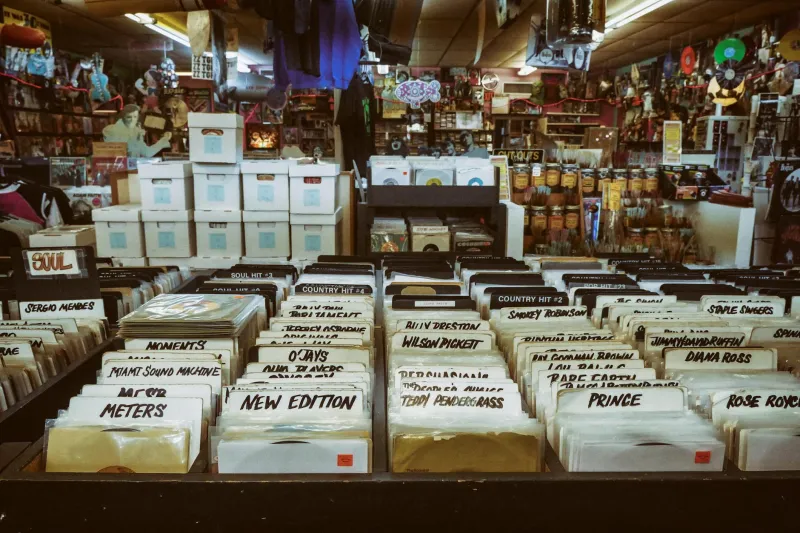
The Last Human DJ You Never Knew You Had
Walk into any record store in 1995, and you'd encounter something that seems almost mystical today: a person who could predict your musical taste better than any algorithm. Behind the counter stood someone who'd watched you flip through the jazz section for twenty minutes, remembered that you bought that obscure Pixies B-side last month, and somehow knew that you'd absolutely lose your mind over this new band called Radiohead.
These weren't just cashiers—they were human recommendation engines powered by genuine passion, encyclopedic knowledge, and the kind of intuitive understanding that comes from thousands of conversations about music. They could read your body language as you browsed, decode the meaning behind your hesitant "I'm looking for something... different," and guide you toward discoveries that would reshape your entire musical identity.
The Art of the Musical Conversation
Discovering music in the pre-streaming era was inherently social. You'd walk into Sam Goody or your local independent shop not just to buy something specific, but to see what was new, what was good, and what the person behind the counter thought you should hear. These interactions weren't transactions—they were consultations.
"You liked that Nirvana album? Try this," the clerk would say, sliding a CD across the counter. "Trust me on this one." And somehow, impossibly, they were almost always right. They'd developed an almost supernatural ability to connect the dots between seemingly unrelated artists, genres, and eras.
The conversation itself was part of the discovery process. You'd explain what you were in the mood for—"something with good bass lines but not too heavy"—and watch as their eyes lit up with possibilities. They'd ask follow-up questions, dig deeper into your preferences, and gradually build a profile of your musical DNA that no algorithm has ever quite matched.
The Serendipity of Imperfect Knowledge
What made these human curators so effective wasn't their perfection—it was their beautiful imperfection. Unlike today's algorithms that analyze every microsecond of your listening habits, record store clerks worked with limited information and educated guesses. They might recommend something based on the band t-shirt you were wearing, the way you nodded along to the in-store music, or simply because they had a hunch.
This imprecision was actually a feature, not a bug. It meant you'd occasionally walk away with something completely unexpected—a jazz album when you came in looking for punk, or a world music compilation that opened up entirely new musical territories. The human element introduced a delightful randomness that algorithms, for all their sophistication, struggle to replicate.
The Economics of Musical Expertise
Record stores could afford to employ these musical encyclopedias because the economics made sense. Albums cost $15-20, and people bought them regularly. The clerk's expertise was a value-add that justified the price premium over discount retailers. Their recommendations weren't just suggestions—they were investments in customer loyalty.
These employees often worked for modest wages but stayed for the perks: free promotional CDs, advance listening copies, and the chance to be at the center of their local music scene. Many were musicians themselves, or aspiring music journalists, or simply obsessive fans who'd found a way to make their passion pay the rent.
When Algorithms Became Our Musical Matchmakers
Today's music discovery operates on an entirely different model. Spotify's Discover Weekly analyzes your listening patterns, cross-references them with millions of other users, and serves up a perfectly curated playlist every Monday morning. Apple Music's "For You" section knows not just what you like, but when you like it, adjusting recommendations based on time of day and listening context.
The precision is remarkable. These systems can identify micro-genres you didn't know existed and surface obscure tracks that align perfectly with your established preferences. They never have an off day, never recommend something based on a misread mood, and never suggest an album just because they think it's criminally underrated.
What the Data Can't Capture
Yet something essential has been lost in this transition to algorithmic curation. The human element brought context, storytelling, and emotional intelligence that data analysis can't replicate. A record store clerk might recommend an album not just because it fit your musical profile, but because they sensed you were going through a breakup, or because they knew the backstory that would make you appreciate it more.
They could explain why this particular pressing sounded better, share gossip about the band's recording process, or connect you with other customers who shared your musical obsessions. The recommendation came wrapped in narrative, community, and human connection.
The Paradox of Perfect Curation
Modern streaming services have solved the problem of music discovery almost too well. We have access to virtually every song ever recorded, sophisticated recommendation engines, and endless playlists tailored to every conceivable mood and activity. Yet many listeners report a strange dissatisfaction—a sense that despite having everything at their fingertips, they're somehow discovering less.
The issue isn't the technology itself, but what we lost in the translation. The friction of having to seek out music, the social aspect of discovery, and the serendipity of human imperfection all contributed to making new musical discoveries feel more meaningful and memorable.
The Chasm Between Then and Now
The gulf between these two eras of music discovery represents more than just technological progress—it's a fundamental shift in how we relate to both music and each other. We've traded the warm unpredictability of human recommendation for the cold precision of algorithmic curation, gaining convenience and losing something harder to quantify but equally valuable.
Today's teenagers will never experience the particular thrill of having a knowledgeable stranger change their musical world with a single recommendation. They'll never know the anticipation of waiting for the record store clerk to finish with another customer so they can ask about that album playing overhead. They'll discover amazing music, certainly, but they'll do it alone, guided by invisible algorithms rather than passionate humans who just wanted to share something beautiful they'd found.