When Getting a Table Meant Begging the Hostess: The Lost Art of Restaurant Politics Before Apps
When Getting a Table Meant Begging the Hostess: The Lost Art of Restaurant Politics Before Apps
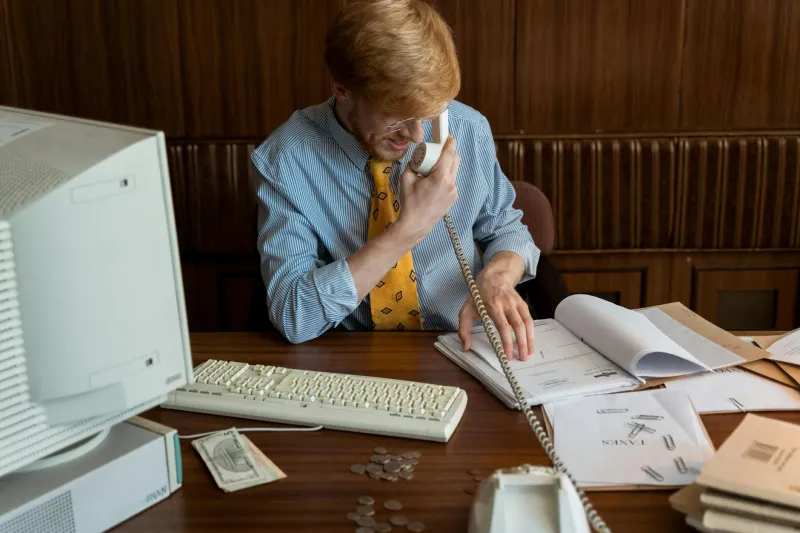
Picture this: It's Friday afternoon in 1995, and you want to take someone special to that new Italian place downtown tomorrow night. You dial the restaurant's number, already knowing you're probably too late. The hostess picks up on the seventh ring, sounds harried, and delivers the verdict with practiced indifference: "We're completely booked through next month."
But you're not giving up. This is just the opening move in a delicate dance that every American diner knew by heart.
The Phone Call Lottery
Before smartphones put restaurant reservations at our fingertips, getting a table at a decent restaurant on a weekend required strategy, timing, and no small amount of luck. Most restaurants only took reservations by phone, and popular spots had narrow windows when they'd even answer calls for bookings.
The unwritten rules were complex and unforgiving. Call too early in the week, and they'd tell you to call back later. Call too late, and everything good was gone. Many restaurants only accepted reservations exactly one week out, leading to a weekly ritual where determined diners would redial busy numbers at precisely 9 AM, hoping to snag that coveted 8 PM slot.
"I used to set my alarm to call Le Bernardin the second they opened their phone lines," recalls Sarah Mitchell, a marketing executive from Manhattan. "Even then, you might get put on hold for twenty minutes, only to be told the only available time was 5:30 PM or 10:45 PM."
The Power of the Maitre D'
In the pre-digital era, the restaurant host or maitre d' wielded enormous influence. They recognized voices, remembered faces, and operated with an informal but rigid hierarchy of who deserved tables when. Regular customers, local celebrities, and big tippers found themselves mysteriously accommodated even when the restaurant was "fully booked."
This system created an intimate but exclusionary dining culture. The best restaurants felt like private clubs where admission required more than just money—you needed social capital, connections, or the patience to cultivate a relationship with the staff over time.
"There was definitely a code," explains James Rodriguez, who worked as a maitre d' at upscale Chicago restaurants throughout the 1980s and 90s. "We'd tell people we were booked solid, then turn around and seat someone who knew the owner or had been coming in every Friday for two years. It wasn't fair, but it was how things worked."
The Backup Plan Economy
Without the certainty of confirmed reservations, diners developed elaborate contingency strategies. Smart restaurant-goers would make multiple reservations at different places, then cancel the extras—though this required more phone calls and often resulted in awkward conversations with disappointed hostesses.
Many simply embraced spontaneity, showing up at restaurants and hoping for cancellations. This led to the rise of bar dining culture, as couples would nurse cocktails for hours, waiting for tables to open up. Some restaurants maintained actual waiting lists, jotting down names on paper and calling people at home when spots became available.
The uncertainty created a different relationship with dining out. Plans were more flexible, expectations were lower, and there was genuine excitement when you actually snagged a good table at short notice.
The OpenTable Revolution
When OpenTable launched in 1998 and gradually expanded throughout the 2000s, it fundamentally democratized restaurant access. Suddenly, anyone with an internet connection could see real-time availability, compare options, and secure reservations without human gatekeepers.
The change was dramatic. No more busy signals, no more pleading with hostesses, no more wondering if "fully booked" really meant fully booked. The app showed you exactly what was available and when, stripping away the mystery and politics that had defined restaurant reservations for decades.
Today's diners can book tables while riding the subway, change reservations with a few taps, and even see photos of their potential table location. The process that once required persistence and social maneuvering now takes less time than ordering coffee.
What We Lost in Translation
But something intangible disappeared when algorithms replaced human judgment in restaurant reservations. The personal relationships between diners and restaurant staff largely evaporated. The maitre d' who remembered your anniversary or knew you preferred corner tables became an endangered species.
There was also a certain thrill in the old system's unpredictability. Securing a last-minute table at a hot restaurant felt like a genuine victory, partly because it required skill and persistence. The exclusivity, while often unfair, made dining out feel more special when it worked in your favor.
"I miss the relationships," admits longtime New York diner Patricia Chen. "My favorite maitre d' knew I was vegetarian before I sat down. Now I'm just a confirmation number."
The New Normal
Today's reservation system is undeniably more efficient and fair. Popular restaurants still book up quickly, but at least everyone has an equal shot at available times. The transparency has eliminated much of the frustration and social awkwardness that characterized dining in the pre-digital era.
Yet as we swipe through endless restaurant options and book tables with algorithmic precision, it's worth remembering when getting a Saturday night reservation required actual human interaction—even if that interaction sometimes felt like a negotiation with a particularly stern bouncer.
The chasm between then and now reflects a broader shift in how we navigate social spaces. We've traded the inefficiency and inequity of personal relationships for the cold efficiency of digital systems. Whether that's progress or loss might depend on whether you ever knew a maitre d' by name.