When Fire Meant Forever: How American Families Lost Their Entire Lives in a Single Afternoon
The Shoebox Under the Bed
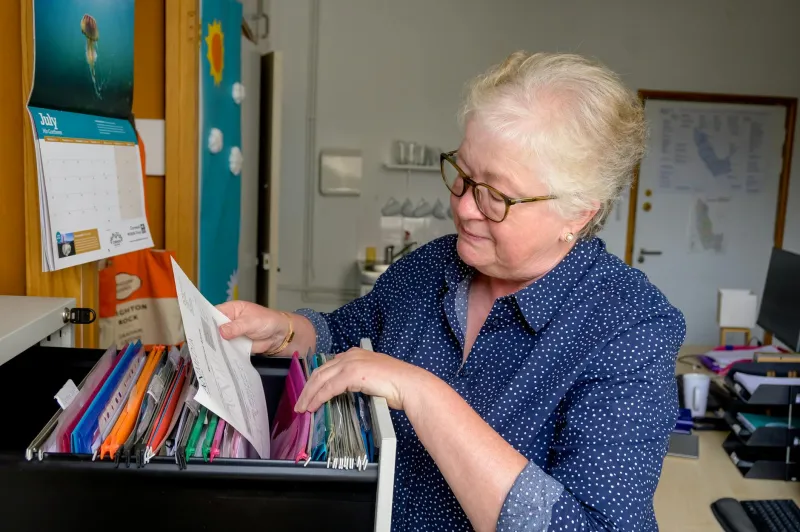
In 1960, every American family's financial life existed in physical form somewhere in their house. Tax returns lived in manila folders in desk drawers. Birth certificates and marriage licenses were stored in fireproof safes—if families could afford them. Insurance policies were kept in kitchen cabinets. Bank statements were filed in shoeboxes under beds. Photographs documenting decades of family history were stored in albums, envelopes, and dresser drawers throughout the house.
This wasn't just inconvenient—it was genuinely dangerous. A single house fire, flood, or burglary could permanently erase a family's entire documented existence. Without backup copies, replacement documents, or digital archives, families could lose their financial history, legal identity, and irreplaceable memories in a matter of hours.
The Fireproof Safe Industry
American families in the mid-20th century invested heavily in fireproof safes and safety deposit boxes because they understood how fragile their paper-based lives really were. Hardware stores dedicated entire sections to home safes, and banks promoted safety deposit box rentals as essential family protection, not luxury services.
But even fireproof safes had limitations. They protected against fire but not floods. They secured documents but not photographs. They prevented theft but couldn't prevent families from forgetting combinations or losing keys during emergencies. Many families discovered that their "fireproof" protection failed when they needed it most.
When Disasters Erased Decades
Natural disasters revealed just how vulnerable paper-based record keeping really was. Hurricane Agnes in 1972 destroyed not just homes but entire family histories throughout Pennsylvania and New York. Families who had carefully maintained financial records for decades found themselves unable to prove their insurance coverage, document their property ownership, or access their bank accounts.
 Photo: New York, via justinkelefas.com
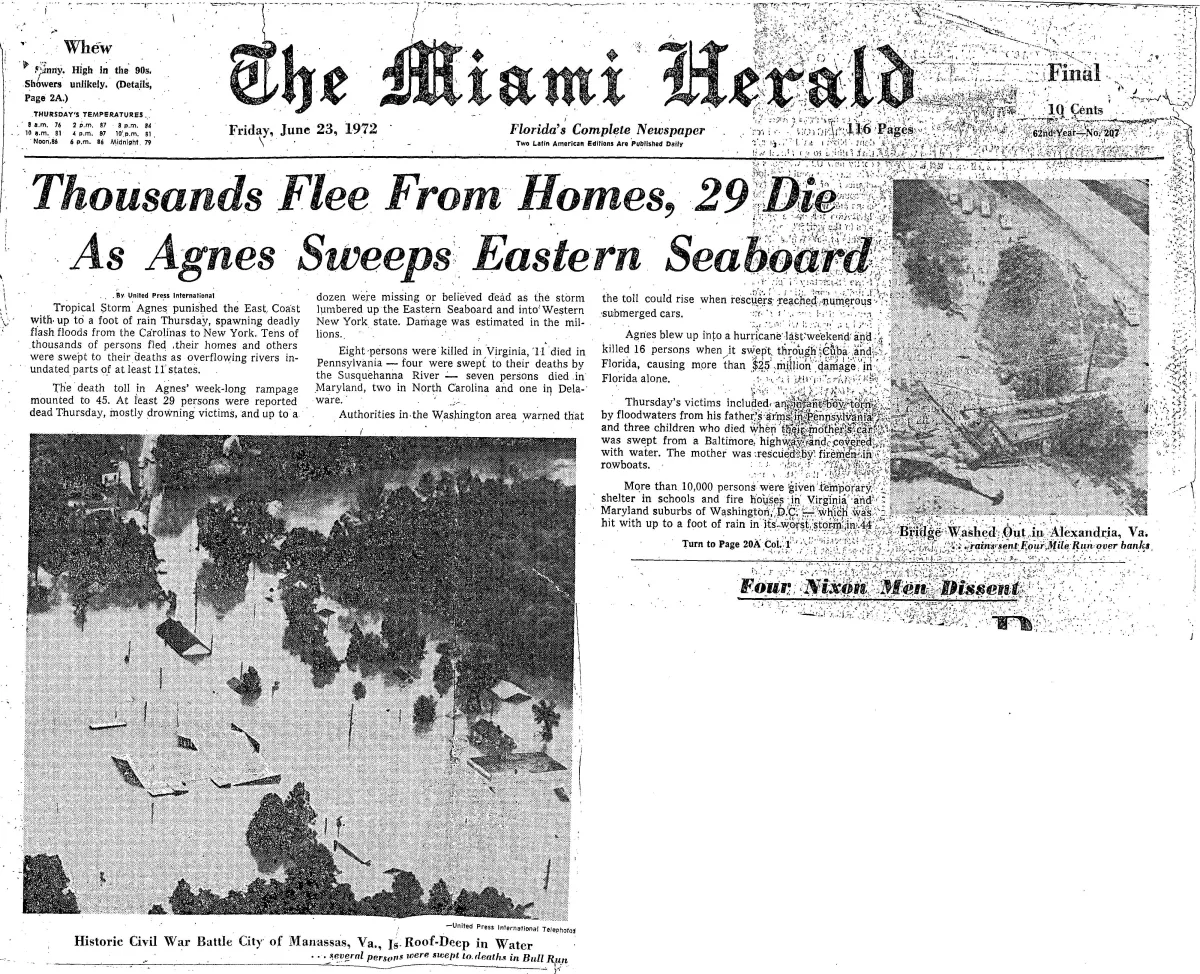 Photo: Hurricane Agnes, via www.nhc.noaa.gov
The aftermath of these disasters created secondary crises that lasted for years. Without tax returns, families couldn't prove their income to insurance companies. Without birth certificates, they couldn't obtain replacement social security cards. Without marriage licenses, they couldn't prove spousal relationships for insurance claims. The administrative recovery often took longer than the physical rebuilding.
The Carbon Copy Survival Strategy
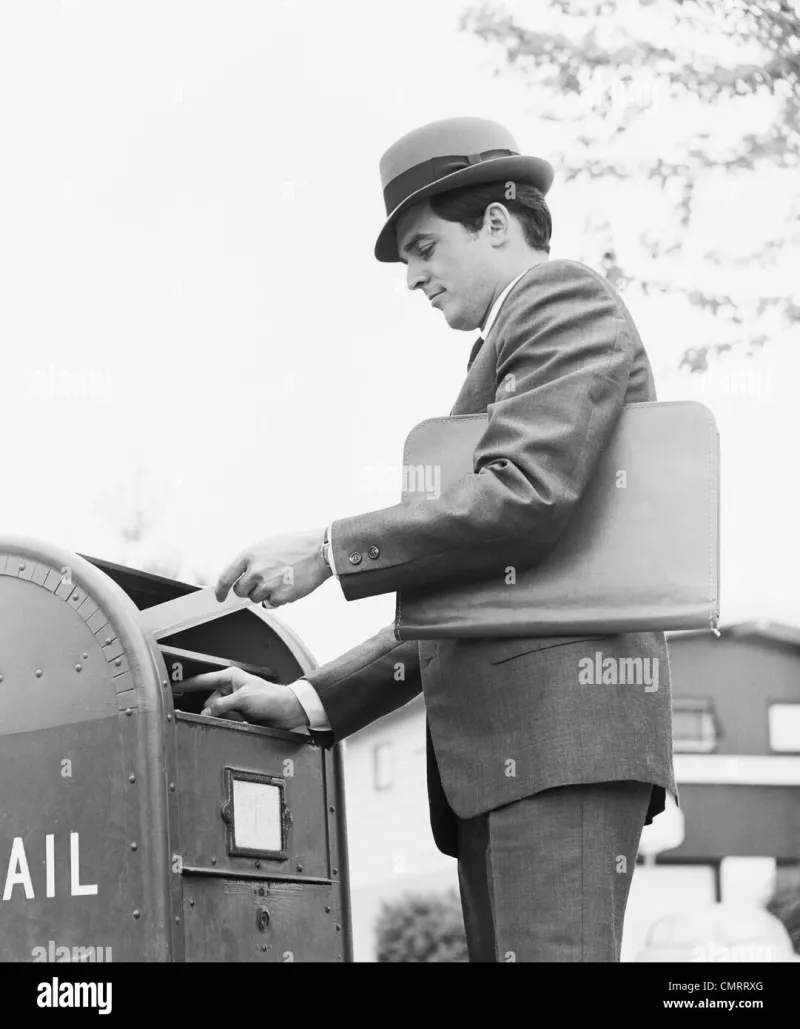
Smart families developed elaborate backup systems using carbon paper, photocopies, and multiple storage locations. Important documents were copied by hand and stored with relatives in different states. Families mailed copies of critical papers to trusted friends or stored duplicates in safety deposit boxes across town.
These systems required constant maintenance and organization that most families struggled to maintain. Carbon copies faded over time. Photocopies degraded. Hand-copied documents were often illegible when families needed them most. The backup systems themselves became sources of stress and confusion rather than reliable protection.
The Photo Album Tragedy
Family photographs represented the most heartbreaking losses in pre-digital disasters. Unlike financial documents, which could theoretically be replaced through government agencies and institutions, family photos were truly irreplaceable. Decades of birthdays, graduations, weddings, and everyday moments could disappear forever in a single afternoon.
Families understood this vulnerability and developed desperate preservation strategies. Some mailed copies of important photos to relatives. Others stored negatives separately from prints. Many families simply lived with the constant anxiety that their visual family history could vanish without warning.
The Government Replacement Maze
Replacing lost official documents in the pre-digital era required navigating a bureaucratic maze that could take months or years to complete. Birth certificates had to be requested from the county where you were born—challenging if you'd moved frequently or if records were incomplete. Social security cards required proof of identity that you might not have if all your identification was destroyed.
The replacement process often created circular problems: you needed identification to replace identification. Banks required documentation that had been destroyed to verify account ownership. Insurance companies demanded proof of coverage that existed only in the destroyed paperwork. Families found themselves legally invisible, unable to prove their own existence to the institutions that had served them for decades.
The Medical History Blackout
Losing medical records in a disaster could be life-threatening. Before electronic health records, your medical history existed only in your doctor's files and your personal copies. If both were destroyed, you became medically anonymous. Chronic conditions, medication allergies, and surgical histories could be forgotten or misremembered under stress.
Families tried to maintain their own medical records, but these were often incomplete or inaccurate. The loss of medical documentation meant starting over with new doctors who had no context for ongoing health issues, potentially dangerous medication interactions, or family medical histories that influenced treatment decisions.
The Digital Safety Net
Today's cloud storage, digital banking, and electronic health records have quietly solved a problem that haunted previous generations. Our financial histories exist in multiple digital locations. Our photographs are automatically backed up to remote servers. Our medical records follow us between doctors and hospitals through electronic systems.
The transformation happened so gradually that most Americans don't realize how dramatically our vulnerability to document loss has decreased. What once required elaborate family protection strategies now happens automatically in the background of our digital lives.
The Forgotten Anxiety
Modern Americans live with a security that previous generations couldn't imagine. We don't worry about losing our entire financial history in a house fire because our banks maintain digital records. We don't fear that family photos will disappear because they're automatically synced to cloud storage. We don't panic about lost medical records because electronic health systems preserve and share our information across providers.
The shift from paper to digital eliminated an entire category of family anxiety that defined American household management for generations. In losing that vulnerability, we gained something invaluable: the freedom to live without constantly protecting our documented existence from forces beyond our control.