The Pre-Flight Panic Ritual
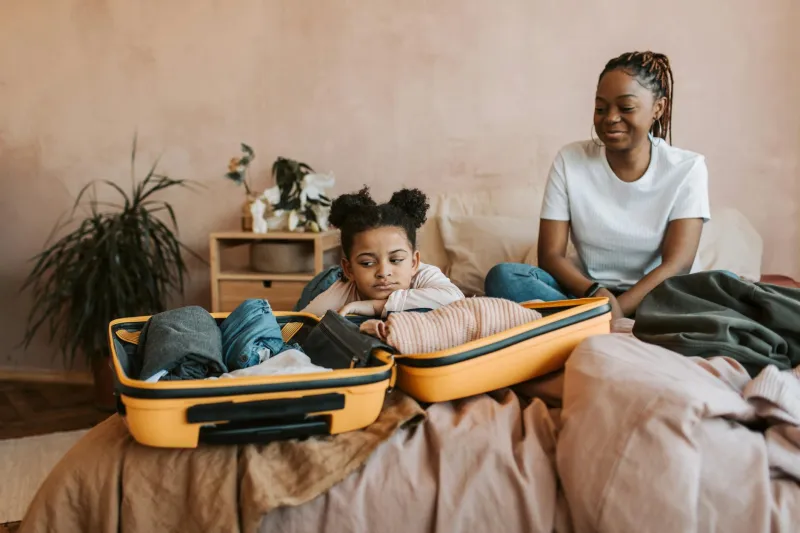
Every traveler from the 1950s through the early 1990s knew the drill: the night before departure, you'd spread everything across your bed and conduct what amounted to a military-style inventory. Toothbrush? Check. Contact lens solution? Check. That specific medication you take every morning? Check. The backup pair of glasses you never wear at home but absolutely cannot travel without? Double-check.
This wasn't casual preparation—it was strategic planning for survival in a world where forgetting something meant genuinely doing without it for the duration of your trip. No same-day shipping. No familiar chain stores in every destination. No calling home to have someone overnight your prescription. You packed it, or you lived without it.
When Destinations Were Truly Foreign
Traveling to another city in 1975 meant entering a completely different commercial ecosystem. Chicago had different drugstore chains than Atlanta. The shampoo brands available in Denver weren't the same ones you'd find in Miami. Your favorite deodorant, breakfast cereal, or brand of contact lens solution might simply not exist in your destination.
Even domestic travel felt international in terms of product availability. Regional chains dominated local markets. Walgreens ruled the Midwest, but Eckerd owned the South. CVS was an East Coast phenomenon. If you needed something specific, you couldn't count on finding the exact brand or formula you were accustomed to using.
For international travel, the stakes were even higher. European pharmacies carried completely different product lines. Asian markets offered alternatives that might work but required experimentation you didn't want to conduct during your vacation. Bringing everything from home wasn't paranoia—it was practical necessity.
The Overpacking Generation
This reality created a generation of systematic over-packers. Experienced travelers developed elaborate checklists and packing rituals that would seem absurd by today's standards. They packed backup toiletries, extra medications, and multiple options for every possible weather scenario.
Business travelers became particularly sophisticated in their preparation. They knew which cities had reliable dry cleaning, which hotels provided adequate shampoo, and which destinations required bringing everything from dental floss to antacid. The most seasoned road warriors traveled with what amounted to portable pharmacies and complete grooming arsenals.
Families with children faced even greater challenges. Forgetting formula, diapers, or a specific toy could derail an entire vacation. Parents packed as if they were heading to remote wilderness areas, even for trips to major metropolitan destinations. The trunk of the family car looked like a refugee relief shipment.
The Specialty Item Nightmare
Certain categories of forgotten items created particular anxiety. Contact lens wearers faced the most dramatic consequences—forget your cleaning solution or tear a lens, and you were functionally vision-impaired for the entire trip. Backup glasses became mandatory travel equipment, even for people who hadn't worn them in years.
Prescription medications created similar high-stakes scenarios. Running out of blood pressure medication or insulin while traveling wasn't just inconvenient—it was dangerous. Travelers learned to pack medications in multiple locations, carry prescriptions from their doctors, and research pharmacy locations at their destinations just in case.
Specialty dietary needs turned every trip into a logistics challenge. Diabetics packed testing supplies and specific foods. People with food allergies brought familiar brands they knew were safe. Anyone following a restricted diet learned to travel with a small grocery store's worth of supplies.
The Local Shopping Adventure
When travelers did forget something essential, finding a replacement became an adventure in cultural anthropology. Drugstores in different regions carried different brands, different formulations, and different package sizes. What you thought was a simple purchase—toothpaste, for example—became a lesson in regional consumer preferences.
Store clerks became accidental travel consultants, fielding questions from visitors trying to find equivalent products. "Do you have something like Tylenol?" "What's your version of Pepto-Bismol?" "Is there anything here that works like the acne medication I use at home?"
Sometimes the local alternatives worked fine. Sometimes they didn't. Sometimes they worked better than what you used at home, leading to the discovery of new favorite products. But the uncertainty added stress to every forgotten item.
The Department Store Desert
Outside major metropolitan areas, shopping options were severely limited. Small towns might have one drugstore, one general store, and maybe a Sears catalog center. Forgetting something in these destinations meant either driving significant distances to find a larger town or simply accepting that you'd go without.
Even in larger cities, familiar chains weren't guaranteed. The Target or Walmart that could solve almost any forgotten-item crisis today simply didn't exist in most markets until the 1990s. Department stores closed early and weren't open on Sundays. Drugstores had limited hours and smaller inventories.
Hotel gift shops offered some basics, but at prices that reflected their captive audience. A small tube of toothpaste might cost three times the normal retail price. Convenience stores carried the bare minimum. The concept of one-stop shopping for travel emergencies was still decades away.
The Amazon Revolution
The transformation began gradually in the late 1990s with online shopping, but the real game-changer was overnight shipping. Suddenly, forgetting something wasn't a trip-ending catastrophe—it was a minor inconvenience that could be solved with a credit card and a shipping address.
Amazon's expansion of same-day and next-day delivery to most major markets completed the revolution. Today's traveler can order contact lens solution from their hotel room and have it delivered before checkout. The anxiety that once surrounded packing has largely evaporated.
Smartphones added another layer of convenience. Forgot your phone charger? Google Maps will show you seventeen stores within walking distance that sell iPhone chargers. Need a specific medication? Apps can locate 24-hour pharmacies and even arrange delivery.
The New Travel Minimalism
Today's travelers pack with a confidence that would have seemed reckless to previous generations. Why bring shampoo when every destination has a CVS? Why pack extra contact lens solution when Amazon can deliver it overnight? Why worry about forgetting your phone charger when every airport, hotel, and convenience store sells them?
This shift has enabled a new kind of travel minimalism. Carry-on only trips that would have been impossible in 1985 are now routine. Travelers pack one or two days' worth of essentials and plan to buy anything else they need at their destination.
The psychological impact is profound. Travel anxiety has shifted from "What if I forget something?" to "What if my flight is delayed?" The fear of being stranded without necessities has been replaced by the minor annoyance of having to make an extra shopping trip.
What We've Gained and Lost
The transformation from careful preparation to casual confidence represents one of the most dramatic changes in the travel experience. We've gained convenience, flexibility, and peace of mind. We've lost the particular satisfaction of perfect preparation and the local discoveries that came from emergency shopping in unfamiliar places.
The old system forced travelers to be more self-sufficient and more thoughtful about their needs. It also created more opportunities for serendipitous encounters—conversations with local shopkeepers, discoveries of regional products, and the small adventures that came from navigating unfamiliar retail landscapes.
The chasm between then and now reflects broader changes in American commerce, logistics, and our relationship with material possessions. We've moved from a world of regional scarcity to global abundance, from careful hoarding to casual consumption. The suitcase, once a carefully curated survival kit, has become a simple container for whatever we happen to throw in it, secure in the knowledge that anything forgotten can be easily replaced.