No Rewind, No Replay, No Second Chances: When Sports Meant Everything Because You Couldn't Get It Back
The Appointment Television Era
Saturday meant college football. Sunday meant the NFL. Monday Night Football was a national event that stopped conversations in bars across America. In the pre-streaming era, sports didn't adapt to your schedule—you adapted to theirs. Miss the game, miss the history.
Families planned entire weekends around broadcast schedules. Weddings were scheduled to avoid conflicting with the World Series. Dinner happened during halftime or not at all. The idea that you might watch a game three hours after it ended, or catch up on highlights whenever convenient, would have seemed as foreign as time travel.
The Communal Living Room Experience
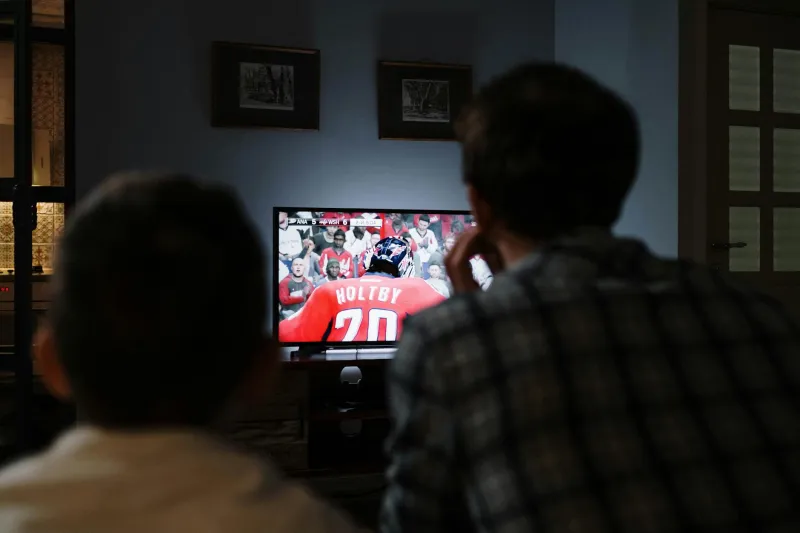
Before every household had multiple screens, sports viewing was inherently social. Families gathered around a single television set, often the largest piece of furniture in the house. Everyone watched the same game, saw the same commercials, experienced the same moments of triumph and heartbreak simultaneously.
This forced togetherness created shared memories that lasted decades. Grandparents and grandchildren bonded over games they watched together, creating family traditions that couldn't be paused, rewound, or personalized. The living room became a stadium where three generations cheered, argued, and celebrated as one.
When Missing It Meant Missing Everything
If you weren't watching when Dwight Clark made "The Catch" in 1982, you missed it. Period. There was no YouTube replay, no social media clip, no way to experience that moment except through other people's descriptions and maybe a grainy newspaper photo the next morning.
This scarcity made live sports feel genuinely urgent. Every play mattered because you might never see it again. Fans developed an almost religious devotion to being present for games, treating each broadcast like a once-in-a-lifetime event—because in many ways, it was.
The Monday Morning Quarterback's Bible
The next day's newspaper sports section carried sacred weight. Box scores, game recaps, and action photos were the only way to relive what you'd witnessed or catch up on what you'd missed. Sports fans read every word, studied every statistic, and memorized details that today would be forgotten in the endless stream of available content.
Sports talk radio became appointment listening because it was the only place to hear extended analysis and discussion of games. Fans called in not just to share opinions, but to share experiences—describing plays they'd witnessed, arguing about calls they'd seen, creating a collective memory of events that couldn't be instantly verified or replayed.
The Geography of Fandom
Your television market determined your sports universe. If you lived in Chicago, you got Cubs and White Sox games. If you lived in Green Bay, you got the Packers. Following an out-of-market team required dedication that bordered on obsession—finding radio broadcasts, traveling to sports bars with satellite dishes, or accepting that you'd follow your team through box scores and weekly highlight shows.
This geographic limitation created intensely loyal regional fanbases. People didn't choose teams based on star players or winning records—they cheered for whoever appeared on their television screens. Local teams became genuine community institutions because they were the only game in town, literally.
The Ritual of Sports Scheduling
Game times weren't suggestions—they were commandments. Fans structured their entire lives around broadcast schedules, developing elaborate rituals to ensure they didn't miss a single play. Some people wouldn't answer their phones during games. Others would rush home from church to catch kickoff. The most dedicated fans would call in sick to work rather than miss playoff games.
These rituals created a sense of sacrifice and commitment that made victory feel more meaningful and defeat more devastating. When watching a game required giving up other activities, the emotional investment naturally increased. Sports weren't background entertainment—they were the main event.
The Lost Art of Sports Patience
Without instant replay, controversial calls stood as called. Fans might argue about what they saw, but there was no slow-motion analysis, no multiple camera angles, no frame-by-frame breakdown to settle disputes. Games moved at the pace of real life, and uncertainty was part of the experience.
This taught fans a different kind of sports appreciation. Instead of dissecting every play to death, they learned to accept the flow of the game, the human element of officiating, and the idea that sometimes you just had to live with what happened. Sports felt more like life—messy, unfair, and impossible to control.
The Highlight Show as Weekly Sacrament
Saturday and Sunday night highlight shows were appointment television for sports fans. These programs didn't just show what happened—they told you what mattered. Legendary anchors like Chris Berman became as important as the athletes themselves, creating catchphrases and personalities around plays that fans might never see again.
Watching highlights felt like attending a religious service where the faithful gathered to worship the week's greatest moments. These shows created a shared national conversation about sports, ensuring that everyone saw the same plays, heard the same commentary, and developed the same cultural references.
When Statistics Lived in Your Head
Without instant access to every statistic ever recorded, sports fans developed remarkable memories. They could recite batting averages, remember specific plays from years past, and engage in detailed discussions about player performance without consulting any external sources. Knowledge was earned through attention and retained through repetition.
This made sports conversations more personal and less data-driven. Fans argued from memory and emotion rather than pulling up advanced metrics on their phones. The debates were messier but somehow more passionate, based on what people remembered feeling rather than what the numbers proved.
The Irreplaceable Moment
Every great sports moment felt truly historic because you knew it might never be seen again. When Kirk Gibson hobbled to the plate in the 1988 World Series, everyone watching understood they were witnessing something that would live only in memory and legend. The inability to replay these moments didn't diminish their power—it concentrated it.
This scarcity created a different relationship between fans and sports history. Instead of being able to watch any great moment on demand, fans treasured the experiences they'd personally witnessed and passed down stories of games they'd seen to younger generations who would never see them.
What We Gained in the Digital Stadium
Modern sports consumption offers unprecedented access and analysis. Every game is available, every play can be replayed, every statistic is instantly accessible. Fans can follow teams across the country, discover new sports, and engage with communities of fellow enthusiasts regardless of geography.
But in gaining everything, we may have lost something essential: the understanding that some things are precious precisely because they can't be captured, replayed, or preserved. The knowledge that being present—truly present—for a moment in sports history meant something because that moment would never come again.
Today's sports fans have more access to more content than ever before, but they may never again experience the pure urgency of knowing that missing this moment means missing everything.