House Calls, Home Remedies, and Hoping for the Best: What Getting Sick in 1960 Actually Meant
House Calls, Home Remedies, and Hoping for the Best: What Getting Sick in 1960 Actually Meant
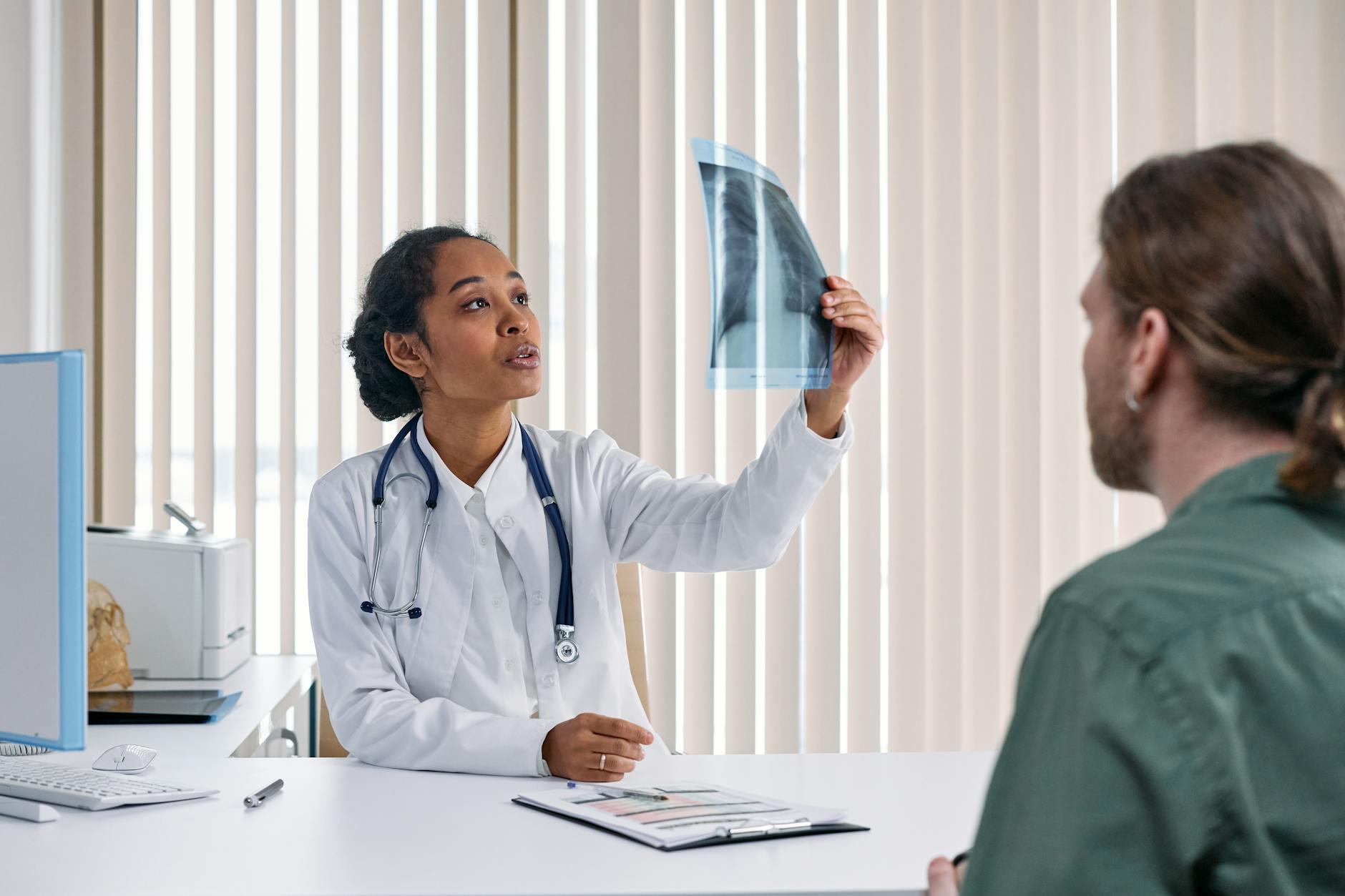
Imagine waking up with chest pain in 1960. You're a 52-year-old factory worker in Ohio, no health insurance, and the nearest hospital is a 40-minute drive. Your wife calls the family doctor, who may or may not make a house visit depending on how busy he is. If you do get to a hospital, the tools available to figure out what's wrong with you are, by today's standards, remarkably limited. There's no CT scanner. There's no troponin blood test to confirm a heart attack. There's a stethoscope, an X-ray machine, and a physician doing his best with what the era provided.
For a significant portion of Americans in 1960, this was the reality of getting sick. And it's worth understanding just how different — and how dangerous — that world was.
Medicine Before the Modern Toolkit
The 1960s were not the medical dark ages. Penicillin had already transformed the treatment of bacterial infections. The polio vaccine had just arrived. American medicine was advancing quickly, and the physicians of that era were serious, dedicated professionals.
But the diagnostic gap between then and now is staggering.
Conditions that a modern ER can identify and begin treating within an hour — certain strokes, pulmonary embolisms, internal bleeding — were frequently missed in 1960 simply because the tools to find them didn't exist. Imaging technology was primitive by comparison. Blood panels were limited. The concept of evidence-based treatment protocols was still decades from becoming standard practice.
Cancer, in particular, was often a death sentence not because it couldn't theoretically be treated, but because it was typically discovered too late. Routine screenings — mammograms, colonoscopies, PSA tests — were not part of the medical landscape. You found out you were sick when you felt sick, and by then, the disease had frequently progressed beyond what medicine could address.
The five-year survival rate for many common cancers in 1960 was a fraction of what it is today. Childhood leukemia, which now has survival rates above 90 percent in many cases, was almost universally fatal.
The Cost of Getting Better
Beyond the clinical limitations, there was a financial reality that shaped how Americans interacted with healthcare in ways that are easy to forget.
In 1960, Medicare and Medicaid did not yet exist. They wouldn't be signed into law until 1965. Employer-sponsored health insurance was growing but far from universal, and what coverage did exist was far narrower than modern plans.
For a working-class or rural family, a serious illness wasn't just a health crisis — it was an economic one. Hospital bills were paid out of pocket. A prolonged stay could wipe out savings, force the sale of property, or push a family into debt that took years to climb out of. Many Americans, particularly in rural areas and in the South, simply avoided doctors until there was no other choice. The cost of going was too high, and the benefit — given what medicine could actually do — was sometimes uncertain enough to feel optional.
This wasn't stubbornness. It was a rational calculation in a system that offered limited protection.
From the Kitchen Cabinet to the Pharmacy Counter
Home remedies weren't nostalgic quirks in 1960 — they were genuine first-line responses to illness, because professional medical care was expensive, not always accessible, and not always more effective than what a family already knew.
Vicks VapoRub, mustard plasters, castor oil, cod liver oil — these weren't folk curiosities. They were the medicine cabinet of a generation that couldn't always afford a doctor visit for every fever or chest cold. Mothers were expected to manage a significant portion of family healthcare at home, drawing on knowledge passed down rather than clinical training.
Contrast that with today, where a quick telehealth appointment can get you a prescription antibiotic before dinner, where pharmacies stock treatments for conditions that required hospitalization 60 years ago, and where a wearable device on your wrist can flag an irregular heartbeat before you've noticed any symptoms.
The Honest Ledger
Modern American healthcare is not without serious problems. Costs remain punishingly high for many families. Access is still uneven, particularly in rural communities. Bureaucratic complexity frustrates patients and providers alike. The system, for all its technological sophistication, regularly fails people in ways that matter.
But when you measure the clinical distance between 1960 and today, the progress is genuinely difficult to overstate. Survival rates for heart attacks, strokes, and many cancers have improved dramatically. Conditions that were mysteries are now routinely managed. Drugs that didn't exist have extended and improved millions of lives.
The era chasm in healthcare isn't just about better equipment. It's about the fundamental difference between a world where getting seriously ill often meant hoping for the best — and a world where medicine can frequently do something real about it.